鼻唇沟外科矫正与除皱术式述评
2026年9月10日25 min read
Plastic and Reconstructive Surgery Global Open
Background:Nasolabial fold (NLF) effacement for facial rejuvenation has received a great deal of attention but is still one of the unconquered areas in surgical rhytidectomy. The current review aims to analyze the evidence provided by various surgical face lift techniques related to the long-term correction of NLFs and midface laxity.
Methods:A comprehensive PICO (population, intervention, comparison, outcome) search of the PubMed, Embase, and Web of Science databases for face rejuvenation cohort and comparative studies published in the English-language literature from 2000 through September 2025 was conducted in accordance with the PRISMA (preferred reporting items for systematic reviews and meta-analyses) guidelines.
Results:Sixteen reports were selected for review. They were characterized by extremely variable surgical techniques in terms of dissection plane and extent, together with different vectors of lift and suture fixation, as well as heterogeneous measuring tools and follow-up periods.
Conclusions:Objective data to support a specific face lift technique that results in optimal long-term effacement of the NLF are lacking. Despite conflicting reports, it seems that the effect of extended sub–superficial musculoaponeurotic system (SMAS) and deep-plane techniques has been limited due to the absence or attenuation of the SMAS layer deep to the melo fat pad. The effect of superficial SMAS imbrication may be more favorable. In view of the deeper understanding of midface anatomy and the relationship of fascial planes to one another, there is a need for critical research on the proposed facial rejuvenation techniques, several of which may need to be reconsidered.
Youthful cheeks are characterized by a continuous convexity from the zygomatic arch to the nasolabial crease (NLC), with an even upper lip curvature medial to the crease. This biconvex facial contour changes secondary to the passage of time, gravity, animation, and environmental factors, to a series of concavities and convexities with perioral crowding and a more vertical orientation of the nasolabial fold (NLF)/NLC and the nasojugal crease, 1 – 5 which mark the transition between the adipose-rich subcutaneous tissue of the cheek laterally and the medial fibromuscular dermal attachment of the upper lip. Though the NLC is not caused by muscle insertion but rather represents a fold where the superficial musculoaponeurotic system (SMAS) ends as a distant layer, it is nevertheless affected by the traction of the lip elevators. 3 , 6 – 8
NLF/NLC classification relies mainly on clinical assessment, with various descriptions of morphology and fold severity usually determined by numerical scales. 9 – 12 Three NLF types have been recognized: type I (paranasal depression associated with volume deficiency); type II (prominent fat sagging cephalad to the crease); and type III (prominent crease secondary to repetitive lip elevator activity). 6 Additionally, 5 types have been reported: skin type, fat pad type, muscular type, bone retrusion type, and hybrid type. 13
NLF improvement has received a great deal of attention, 14 , 15 but it is still one of the unconquered areas in rhytidectomy, 5 , 16 – 20 due to poor appreciation of normal anatomy and the correlation of visual aging changes with the multifaceted anatomical changes in facial tissues. 8 , 21 For NLF correction, direct skin excision and fat reshaping have been described, 17 as has liposuction. 4 , 20 Various soft-tissues or bone-volumizing techniques have also been reported, ranging from rolled-up local de-epithelialized skin, to autogenous tissue grafts, Gore-Tex (W. L. Gore & Associates, Newark, DE), lipofilling, soft-tissue fillers, and implants or subperiosteal hydroxyapatite granule. 4 , 5 , 17 Despite softening of the crease, filling the cheek may not create lifting traction between the injection site and NLC 2 ; it may sometimes result in a thick and bulky nasolabial complex. 17 Padding between the dermis and the superolateral border of the orbicularis oris, on the other hand, may force the NLF medially. 16
The complexity of rhytidoplasty is underscored by the multiple goals required to achieve a satisfactory outcome. Although SMAS traction may deepen the crease, it is not clear whether traction on the skin and subcutaneous tissues is sufficient to ameliorate the NLF. Furthermore, because NLCs develop in early adulthood in many patients, it is questionable whether facial rejuvenation should completely efface the crease or restore a youthful appearance. Critical studies about the various proposed rejuvenation techniques are still lacking. 14 , 22 , 23 The current review aims to analyze the evidence provided by various surgical face lift techniques for the long-term correction of the NLF and midface laxity.
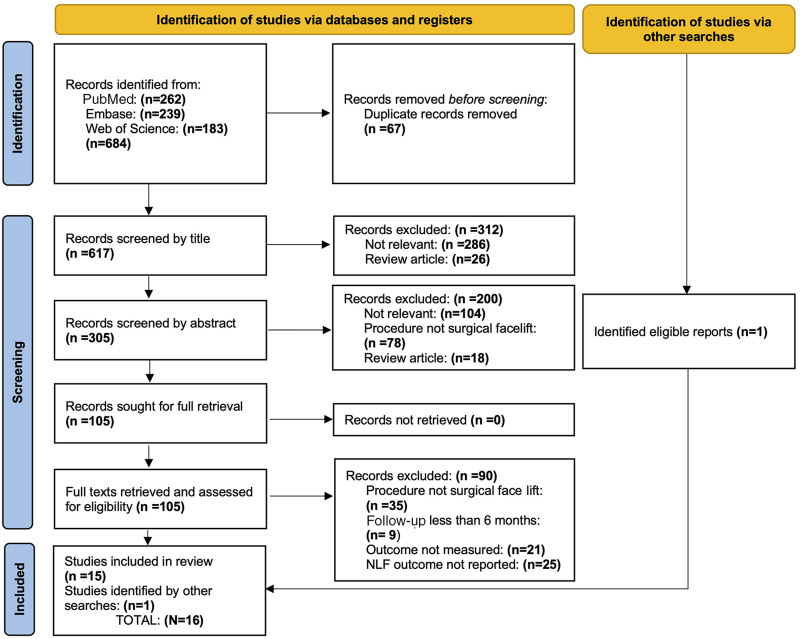
A comprehensive PICO-based search of the PubMed, Embase, and Web of Science databases was conducted to identify face rejuvenation cohort and comparative studies published in the English-language literature from 2000 through September 2025, in accordance with PRISMA guidelines. Two investigators screened titles and abstracts and analyzed the full texts of selected articles for eligibility. Disagreements were resolved by consensus or consultation with a senior investigator, and data extraction from the selected studies was conducted. The PRISMA search algorithm is illustrated in Figure 1 , and inclusion and exclusion criteria are detailed in Table 1 . Only studies reporting a measured effect of rhytidoplasty on the NLF with a minimum follow-up period of 6 months were included in the review.
Table 1. Inclusion and Exclusion Criteria and Literature Search Methodology
| Criteria | Inclusion | Exclusion |
|---|---|---|
| Study design | • Peer-reviewed cohort studies | • Reviews, case reports, comments, and letters to the editor |
| Population | • Subjects undergoing surgical rhytidectomy, including skin-only and SMAS plication/imbrication, limited SMASectomy and suture, extended SMAS, and deep-plane composite rhytidectomy with or without comparison with other techniques | • Subjects undergoing transblepharoplasty midface lift procedures• Subjects undergoing rhytidectomy involving augmentation of the NLF/NLC• Subjects undergoing skin resurfacing procedures in conjunction with the surgical procedure• Subjects undergoing thread lifts or other noninvasive or minimally invasive facial rejuvenation |
| Outcome | • Reported outcome of surgical intervention on NLF/NLC• Reported outcome at more than 6 mo postoperatively | • No explicit reporting of NLF/NLC outcome• Only short-term outcome reported at less than 6 mo postoperatively |
| Methodological quality | • Clearly defined methodologies and measuring tools for determining improvement in NLF/NLC | • Studies with poor methodological quality or insufficient reporting of outcome |
| Publication date | • Studies published since 2000 to capture the most recent evidence related to long-lasting duration techniques | • Studies published before this timeframe |
| Language | • Studies published in English | • Non-English publications |
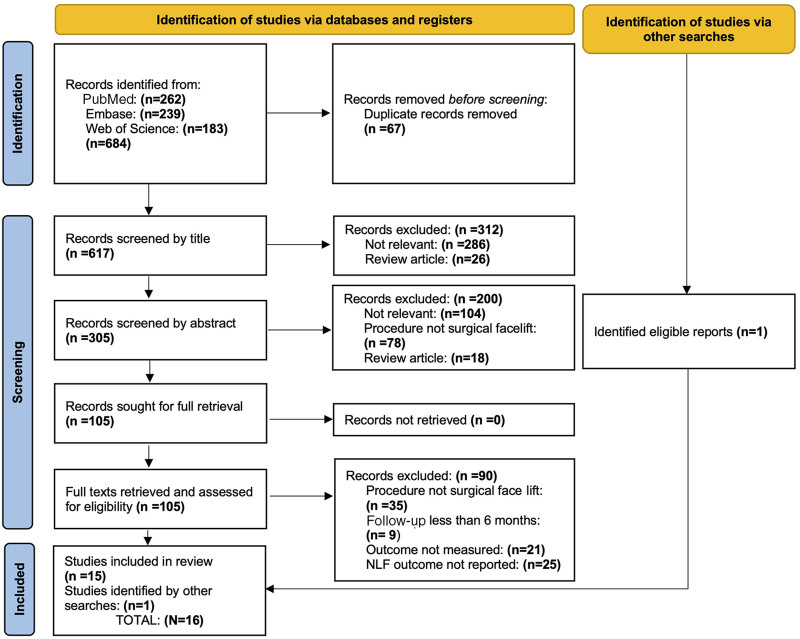
Fig. 1. PRISMA search algorithm. Source: Page MJ, et al. BMJ 2021;372:n71. 10.1136/bmj.n71.PRISMA 检索流程图,呈现文献筛选与纳入过程。
Sixteen reports fulfilling the inclusion criteria were selected for review. They were characterized by extremely variable surgical techniques in terms of dissection plane and extent, together with different vectors of lift and suture fixation, as well as heterogeneous measuring tools and follow-up periods. ( See table, Supplemental digital Content 1 , which displays a summary of reports retrieved for review that included measurements of NLC/NLF outcomes, https://links.lww.com/PRSGO/F12.) ( See table, Supplemental digital Content 2 , which displays the detailed surgical techniques and general outcome of the reports retrieved for review, https://links.lww.com/PRSGO/F13.)
Reportedly, different techniques may result in high patient satisfaction and long-term stable NLF improvement. 24 – 28 The degree of NLF improvement seems to be dependent on the lifting vector 24 and the type of suture fixation. 29 – 31 Despite high satisfaction observed in 1 study, only modest NLF correction was achieved, indicating that patient satisfaction is not always indicative of optimal NLF effacement. 32
SMAS suspension reportedly results in better outcomes than imbrication, 24 and deep-structure manipulation improves the outcome of deep-plane face lift. 33 Nevertheless, deep-plane face lift does not seem to offer superior NLF correction over SMAS plication in patients younger than 70 years. 34 It may not be applicable to all face types and should be limited to precise and more restrictive indications. 23 NLC augmentation seems to correct the crease better than a traditional SMAS lift. 32
Patient satisfaction with desirable NLF volume changes has been reported with subcutaneous face lift without any SMAS manipulation in selected Asian patients younger than 53 years old. Though possibly similar improvements may not be observed in non–Asian patients, risk-of-bias analysis revealed that this study was one of the few studies with low risk of bias retrieved for review 35 (Fig. 2 ).
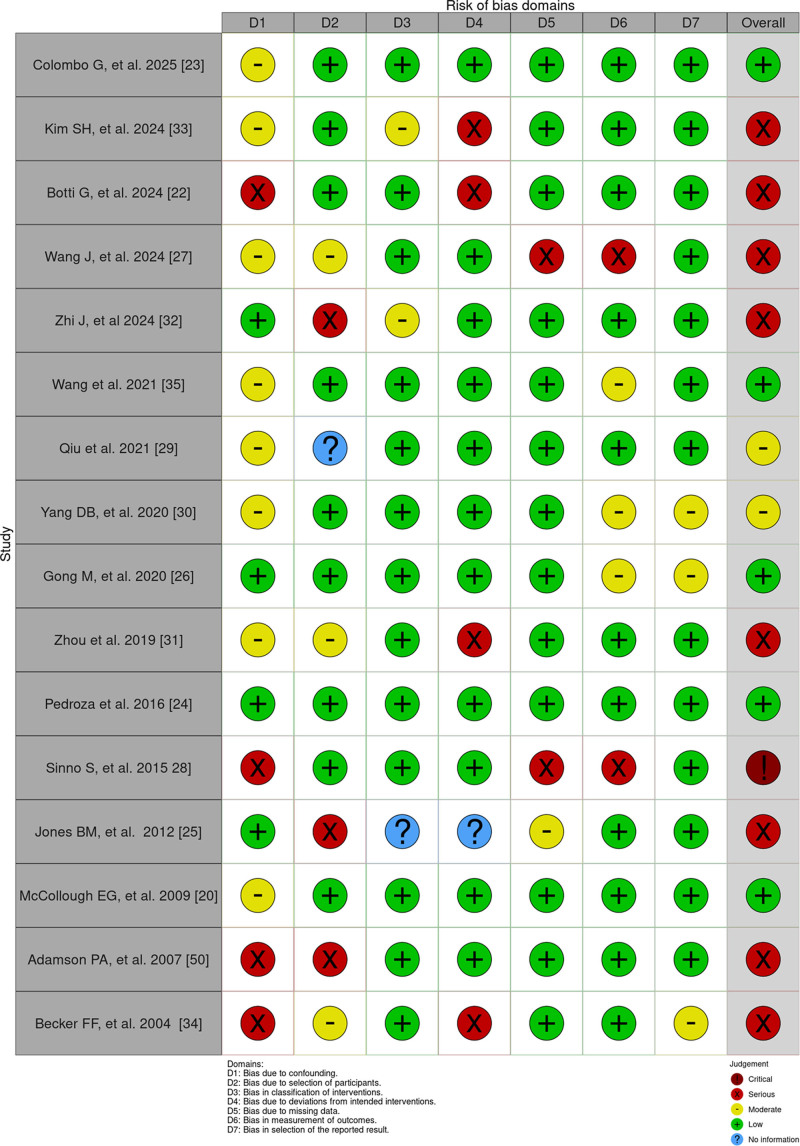
Fig. 2. Risk of bias analysis of retrieved studies for review.纳入研究的偏倚风险分析。
Skin excess excision with minimal undermining was the first documented face lift. 15 , 36 Subsequently, subcutaneous undermining and skin redraping were developed. These techniques were minimally effective, and the improvements were short-lived. 33 , 37 , 38 Dissection and elevation of the “buccal fascia” with the overlying skin to improve vascularity were described by Skoog. 3 , 15 , 39 Mitz and Peyronie 40 named this fascia the SMAS, 4 , 33 , 41 ultimately leading to “SMAS rhytidectomy,” an operation described by Tessier, who was familiar with Skoog innovation. All current techniques, subcutaneous or deep, include some form of SMAS manipulation. 37 , 38 , 42 , 43 The key point, however, is how the SMAS should be approached to achieve the best stable results. 44
Owsley, 45 Stuzin et al, 46 and Barton 47 pioneered high-SMAS techniques and SMAS plication. Hamra 37 developed deep-plane rhytidectomy for greater NLF improvement. 36 Whatever improvement was achieved, however, seemed to be minimally maintained because of the lack of a superior vertical anchor. Criticized for being inherently unable to affect midface and infraorbital regions, with early recurrence occurring between 6 and 12 months postoperatively, and for not being suitable for faces with more than moderate laxity, the technique was modified into the “composite lift.” 23 , 37 , 48
Without denying the efficacy of some extended deep-plane techniques, 49 the term “deep plane” has become a social media buzzword and a marketing tool; it has triggered the development of numerous modifications with somewhat limited efficacy, which modestly resemble the technique described by Hamra. 1 , 3 , 30 , 37 , 39 , 42 , 50 , 51 Poor understanding of facial anatomy, in particular of the melo fat pad (MFP) in the mobile facial area overlying mimetic muscles, and of the relationship between fascial planes, is likely the reason for early NLF recurrence following many face lift techniques. 4 , 15
The SMAS is a fibrofatty layer, situated between subcutaneous fat and the areolar plane of the spaces. Anatomical descriptions have, however, varied so much, even by the same authors, resulting in confusion. 1 , 4 , 41 , 52 The SMAS overlies the parotid gland and invests the zygomaticus major and minor muscles medially. It is contiguous with the platysma inferiorly, the temporoparietal fascia superior to the zygomatic arch, and attaches to the deep investing fascia of the sternocleidomastoid muscle posteriorly. 7 , 15 , 53 Three SMAS morphologic types important for facial fold classification have been described: type I (vertical fibrous septa with interposed adipose tissue connecting mimic muscles to the skin lateral to the NLC); type II (short strong fibrous septa with smaller adipose compartments in the upper and lower lip); type III (loose connective tissue in the lower and upper eyelids connecting the orbicularis oculi muscle to the skin without adipose tissue). The NLC marks the transition between types I and II SMAS. The abundant MFP cannot slip under the crease; it bulges and hangs over it. 4 , 7 , 9 , 41 , 54 , 55
Consensus on the best face lift surgical approach remains elusive. 43 For optimal NLF effacement, there is much confusion whether the face must be addressed with subdermal dissection and MFP lifting or plication, or by extended SMAS deep-plane/composite dissection with en bloc suspension. 4 , 14 , 53 A deep–plane approach may be the most appropriate choice when there are widespread dense interconnections between the deep and superficial layers. In the opposite situation, a superficial approach would be more appropriate. 22
Although it is believed that the NLF is due to volume loss and soft-tissue descent, the fold is in fact a dynamic structure related to facial expression. It is a major factor in smiling, heavily accentuated by prolonged muscle animation, and is effaced by facial nerve paralysis. 5 , 14 , 56 The NLC, not being a concavity that can be managed merely with fillers, 1 , 16 , 57 but a transition between the lean upper lip and the fatty cheek, remains essentially fixed in position throughout life, maintained by the resting tone of the upper lip levators. 54 (Fig. 3 ). Numerous musculodermal fibers transit through the deep and superficial fascia and insert into the dermis 4 mm medial and lateral to the crease. 16 , 57 , 58 The zygomaticus major inserts laterally at the modiolus; the levator labii superioris inserts into its middle third, whereas the levator labii superioris alaeque nasi (LLSAN) inserts medially at the alar base. Dynamic activation of the LLSAN accentuates the nasolabial angle and contributes to an aged appearance. 5 , 18 Partial resection of the LLSAN has been reported to improve the NLF medially. 59
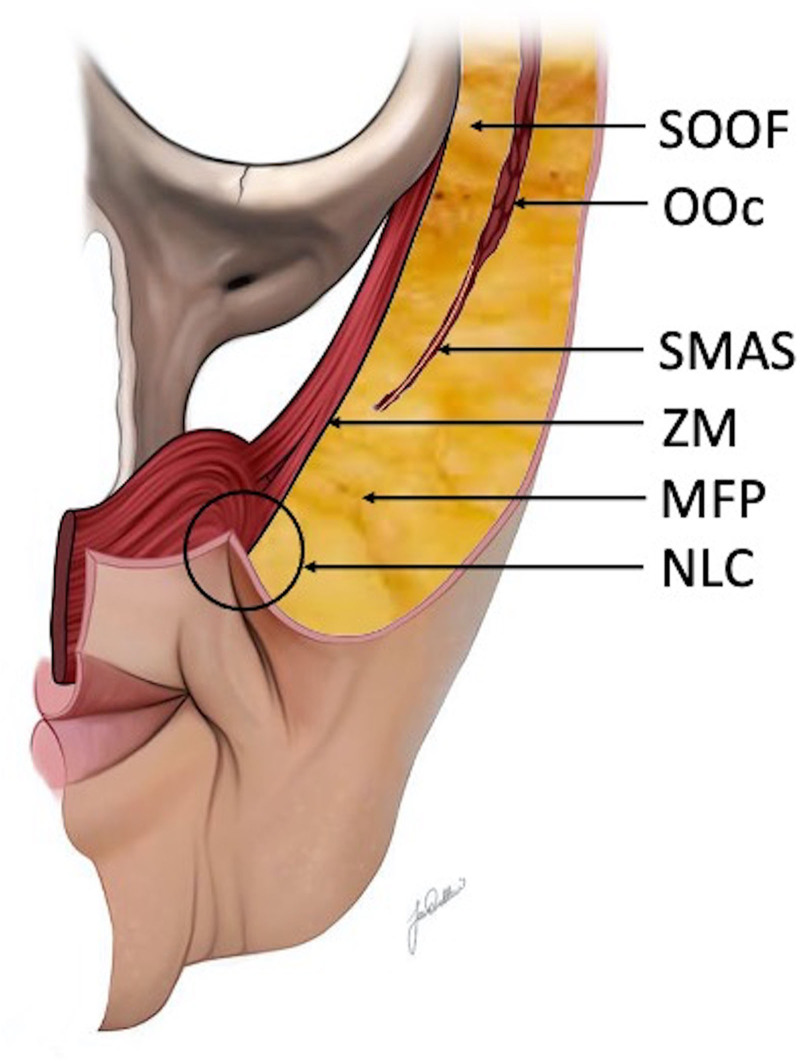
Fig. 3. Schematic illustration of midface anatomy. SOOF, orbicularis oculi muscle (OOc) in continuity with SMAS; ZM, zygomaticus major muscle.中面部解剖示意:展示 SMAS 与眼轮匝肌、颧大肌等筋膜平面的连续关系。Contrary to previous descriptions, the MFP effectively spans the entire cheek and has an inferior extension into the jowl over the anterior buccinator, modiolus, depressor anguli oris, and upper platysma. Retinacula cutis superficialis (RCS), perpendicular to the skin, provide a structural framework and separate fat lobules in a honeycomb-like arrangement. This organization distinguishes the MFP as a subcutaneous structure from deep fat, in which connective tissue is oriented parallel to the skin. RCS fibers lose elasticity and elongate with aging. 4
Recent studies have demonstrated that the SMAS does not exist as a specific anatomical entity. Instead, it is a surgically created flap formed between variable levels of subcutaneous and deep-plane dissection. A well-defined SMAS exists as a distinct layer only where flat mimetic muscles exist and over the posterior half of the parotid gland. It is particularly attenuated or absent over the anterior half of the parotid and anterior to the gland, between the platysma and superficial temporal fascia, orbicularis oculi, and zygomaticus major. 4 , 8 , 21 , 33 , 41 , 55 This arrangement aids the gliding of the mimetic muscles, avoiding gross skin cheek movement with subtle muscle contraction. However, it makes the central face soft tissues inherently more mobile and prone to laxity 1 , 16 (Fig. 4 ).
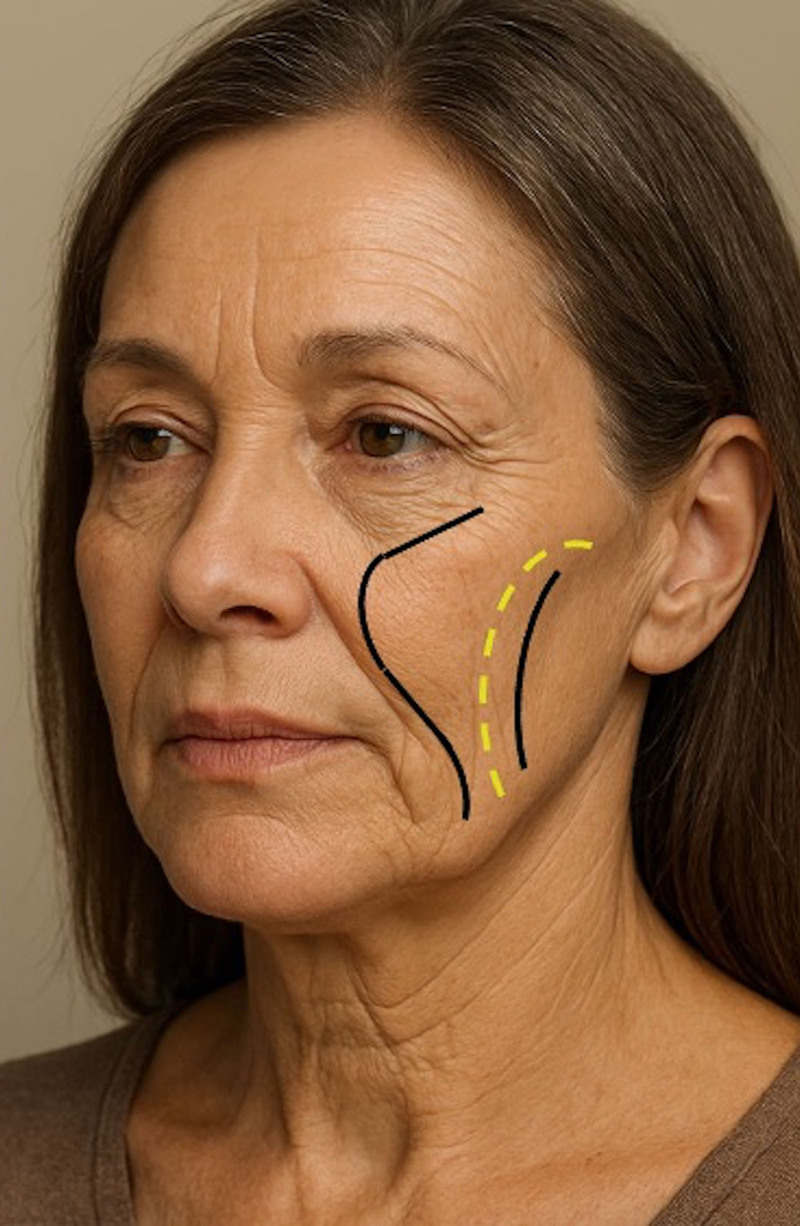
Fig. 4. Well-defined SMAS layer attenuated or absent anterior to the parotid gland (marked by dashed yellow line). Attenuated SMAS delimited by black lines (figure generated by AI).腮腺前 SMAS 层变薄或缺失(黄色虚线标记),解释深层平面技术对 NLF 影响有限的解剖基础。It is claimed that with proper midface mobilization, traction with sutures placed within the deep portion of the MFP allows optimal en bloc lifting. Traction supposedly can be translated to the skin, resulting in effacement of the NLF. However, without deep-plane release of the medial SMAS spanning the upper lateral border of the zygomaticus major and medial dissection in a prezygomaticus plane with ligament release, lateral traction on a deep-plane cheek flap as a single unit paradoxically serves to deepen the NLC, 16 , 18 , 37 , 53 without adequately altering the skin position over the NLF 60 ; furthermore, it increases the risk of facial nerve injury. 18 , 23 , 34 , 61
Relying on the SMAS layer to hold anterior cheek tissues is fundamentally incorrect. 4 , 33 , 41 Limiting subcutaneous dissection under the assumption that maintenance of the anterior SMAS fascia and skin attachments optimizes SMAS traction on the MFP is not supported by recent anatomical descriptions. Though the dissected portion of the MFP can be effectively maintained over the zygoma, the nonreleased portion tends to sag, leading to mid-cheek flattening and worsening of the NLF appearance. The medial SMAS has significantly lower bursting strength and higher creep than the mid-cheek or lateral SMAS. 62 , 63 Furthermore, recent microscopy investigations have demonstrated that, with deep dissection, RCS fibers in the lower portion of the MFP change from a downward orientation, in which they support the skin, to an upward orientation that is mechanically unable to lift the NLF skin. 4 , 41 Skin and the fat pad distal to the deep suture suspension become, in fact, held up by skin tension rather than by tension through the MFP. Thus, any ancillary skin or RCS tightening intervention would invariably improve the outcome. 4 , 38 , 64 Similarly, subperiosteal lifting moves all superficial structures en bloc with no net change in superficial anatomy and morphology. 65 Superficial MFP plication or traction, on the other hand, positions the pad over the zygomatic body with minimal tension. 4 In contrast, subcutaneous undermining and skin flap traction alone result in unaesthetic cheek flattening 18 , 60 (Fig. 5 ).
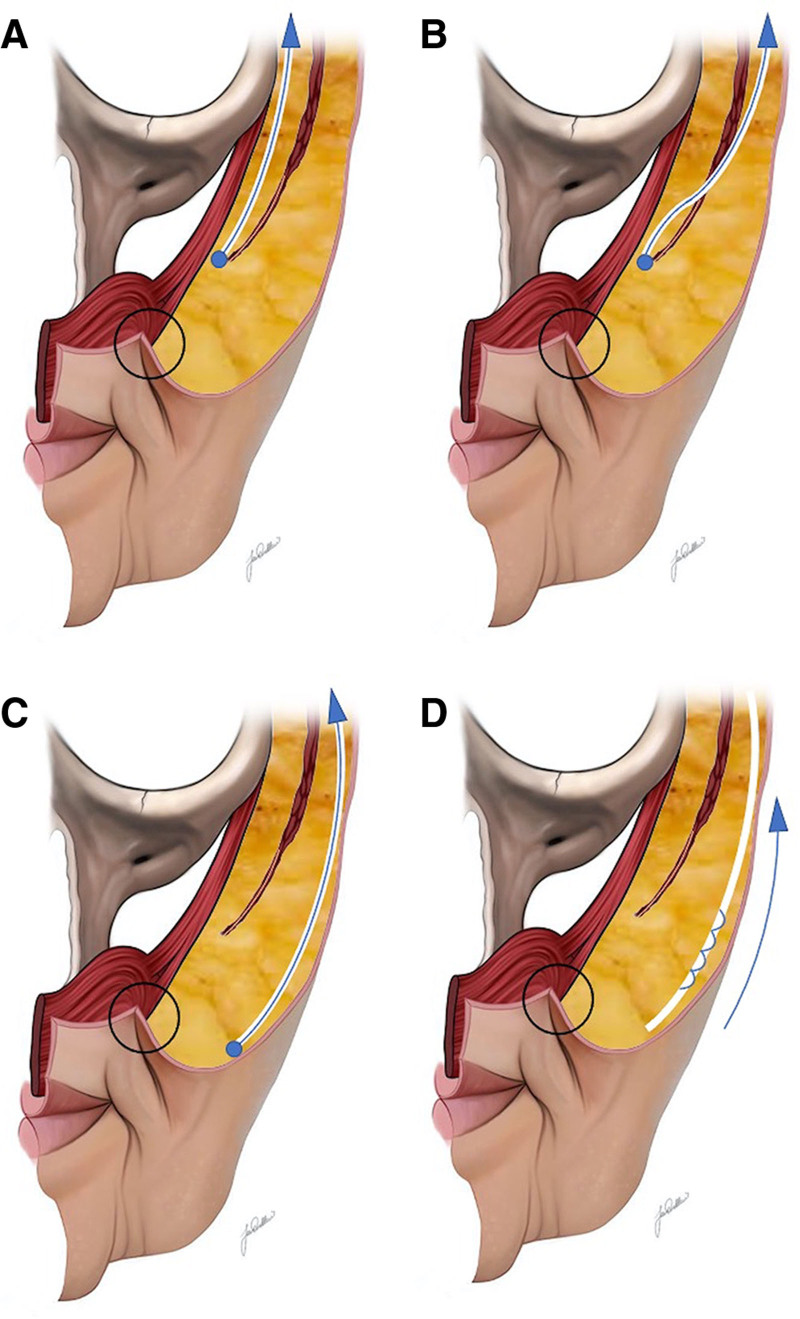
Fig. 5. Schematic illustration of NLF correction. A, Composite deep-plane flap lift through a prezygomatic space dissection, with suspension sutures placed in the deep MFP aspect at the most anterior-inferior dissection extent. B, Deep-plane lift. C and D, MFP release from the overlying skin.NLF 矫正术式示意:经颧前间隙的复合深层平面瓣提升与悬吊缝合等。Superficial dissection of dermal attachments has long been recognized to enhance skin gliding and improve NLF contour, 16 supporting claims that the NLF and the corner of the mouth may not be targeted through deep-plane dissection. 41 Several authors have recommended maneuvers, some of which are outdated or obsolete. Better NLF effacement has been described with adipose tissue traction lateral to the crease and the elevator muscles. 7 Sub-SMAS dissection to the zygomaticus muscles, continued superficially to release the NLF skin, has also been mentioned. 3 , 53 , 60 Millard et al, 66 on the other hand, recommended extending face lift skin dissection to the NLF, reducing NLF fat by direct lipectomy, and applying traction to the freed facial skin.
Combining sub-SMAS deep-plane dissection with wide subcutaneous undermining has received limited attention. Described as a fourth-generation face lift, bilamellar dissection allows independent advancement of the 2 components, transmitting most of the tension to the SMAS while allowing better sculpting and improved anatomical repositioning of the superficial MFP and skin redraping. 22 , 60 The technique essentially transmits lifting tension through the SMAS flap where it is present and intuitively shifts the transmission to the skin where the SMAS is attenuated or lacking. It should be noted in this regard that the level of undermining does not significantly affect cutaneous vascularity. 21
A paradigm shift back toward minimally invasive face lifts has occurred lately in the form of superficial undermining with simple SMAS imbrication. 30 Targeting the NLF through a subdermal approach with MFP plication, strategic SMAS suturing, and pleating as close as possible to the intended medial targets allows effective correction and results in greater surface changes, as the leverage arm causes tissue displacement with less tension. It can reverse the teardrop shape of the MFP, restore mid-cheek projection, and reduce NLF fullness without placing tension on the skin. 4 , 21 , 67 To prevent stress concentration, with better lifting effect than the 3-loop minimal access cranial suspension face lift, 68 , 69 Qiu et al 29 described short scar lateral SMASectomy with multiple strands for suspension. Bellity et al, 19 for their part, described the “FRENCH Lift” (facial rejuvenation enhancing cheek lift), consisting of extended subcutaneous dissection, vertical and oblique vector traction, and superior repositioning of the anterior superficial fat compartments (anterior column of the face).
Facial rejuvenation is not just a tightening or lifting procedure; it should be approached as a reconstructive procedure in the context of the patient’s ethnic and cultural background. The aging process involves more than the simple vertical descent of tissues. It follows a complex, multivectorial pattern with sagging in varied directions, in addition to atrophy of the structures surrounding the piriformis foramen. Often, after repositioning the deep flap, adjustments through superficial skin dissection are necessary for fine-tuning and optimal tightening, together with augmentation of the canine fossa area. Incorporating volume restoration treats a third dimension that many SMAS techniques cannot. 22 , 46 , 64 , 70 – 72
Important ethnic differences in facial anatomy must not be overlooked. Patients with African ancestry have a higher risk of hypertrophic scarring and keloid formation, whereas Latin/Hispanic patients tend to require more extensive undermining. Facial structures, particularly the lower position of the zygomatic arch and eminence, also present unique challenges for traditional SMAS flap techniques in Asian populations, characterized by heavier skin with relatively more solid deep attachments than White patients, likely explaining the favorable outcome with a superficial approach. 26 , 27 , 35 , 73
Comprehensive rejuvenation requires effective intervention directed at basic aging changes, with all components reversed to a similar degree. 51 , 74 , 75 Selecting suitable patients and planning individualized treatments is also crucial for achieving the best outcomes. Evolving knowledge has generated techniques that manipulate different tissue planes in different ways. Consistent results have been reported with diverse superficial and deep approaches. 55 , 64 , 72 Though there is disagreement about whether SMAS manipulation is critical, no one disputes its existence, despite some anatomical confusion. 1 , 52 , 76
It is less evident at present whether some form of deep tissue manipulation is best approached subcutaneously or through a deep-plane approach. Objective data to discern which technique produces ideal and longer-lasting outcomes are lacking. Comparable outcomes have been reported with SMAS plication, limited SMAS, standard SMAS, deep-plane extended SMAS, and composite rhytidectomies. 21 , 24 , 39 , 51 , 77 Surgeon experience, judgment, and technical skills confound the picture even further. 38 , 39 Moreover, regardless of the technique, due to the inherent viscoelastic properties of soft tissues, some stress relaxation is inevitable. 63
The main limitation of this review is the small number of studies retrieved, in addition to the extreme heterogeneity in surgical techniques, which is insufficient and unsuitable for critical analysis and for drawing definitive conclusions. Moreover, objective measures reported are frequently limited, and accurate objective evaluation of results is lacking. Outcome measures based on scales are also prone to high subjective bias. Besides the difficulty in determining what constitutes a real rejuvenation outcome, 44 it is also extremely difficult to compare rhytidectomy techniques and outcomes between different surgeons and patients. 36 Assuming that the need for earlier revision surgery in time could mean that a specific technique results in less than long-lasting facial rejuvenation, 78 this review does not allow making strong conclusions with a high level of evidence as to which approach or which type of deep-tissue manipulation provides the best long-term outcome. Nevertheless, with a better understanding of facial anatomy and a greater appreciation of aging changes, several facial rejuvenation techniques need to be reconsidered. 74 As stated by Hamra, 37 “advancing of any procedure of interest must be viewed in the context of the past, the present, and the future,” adding that “the ultimate goal of facial rejuvenation is essentially predetermined by nature, which is the anatomy of youth that every human once possessed before the aging process began.” Thus, instead of creating an unnatural look by totally effacing a facial feature, normalization of anatomy and bringing back aesthetic harmony to the aging face must be the gold standard for any planned face lift intervention. 17 , 34 , 46
Described primarily to improve lifting of the mobile mid-cheek, the effect of extended sub-SMAS and deep-plane techniques has been limited due to the absence of the SMAS layer deep to the MFP, where the dissection in fact becomes a deep subcutaneous plane. Various and fundamentally different face lift techniques can result in long-term stable but variable rejuvenation in most patients. SMAS suspension may result in a better outcome than SMAS imbrication, and deep-structure manipulation may improve overall outcomes. It is also possible that lifting sutures placed at the medial extent of deep-plane dissection may not effectively improve the NLF, which must be addressed through a superficial subcutaneous dissection. There is definitely a need for critical research on the proposed facial rejuvenation techniques, several of which need to be reconsidered in view of recent descriptions of layered facial anatomy that may contradict previous descriptions by the same authors.
The authors have no financial interest to declare in relation to the content of this article.
循证层面:本文为系统述评(16 项研究,PRISMA),证据受限于纳入研究间术式、测量工具与随访时长的高度异质性,且多为低至中等质量;其结论指向"缺乏支持单一术式长期稳定抚平 NLF 的客观数据",属中等强度循证。
局限:现有文献对 NLF 疗效报道不一致,长期(>12 个月)客观测量数据稀缺;"深层平面"在社交媒体上常被过度营销,临床决策应回归解剖与个体化解剖评估,而非术式名称。
临床提示:对 NLF 为主诉求者,单纯依赖 deep-plane 或 SMAS 大幅牵引未必获得持久改善,应结合中面部精确解剖(注意颧脂肪垫内侧 SMAS 缺如)制定浅层皮下为主的综合策略;术前沟通需管理"彻底抚平"预期,强调解剖基础与个体化设计。
声明:中文精读 · 仅供学术参考。内容来自公开文献检索,不代表本人观点,不构成诊疗建议。 医疗美容需在正规医疗机构由执业医师实施。
基于相同主题推荐 · 继续深挖
背景:鼻唇沟(NLF)抚平是面部年轻化的难点之一,本述评分析各类除皱术式对 NLF 与中面部松弛长期矫正的证据。
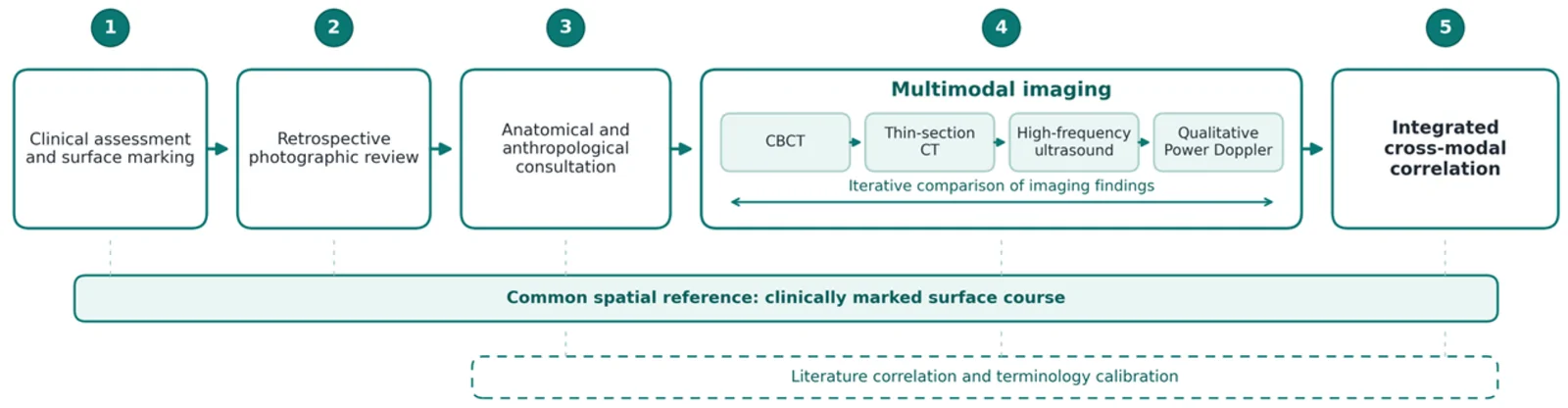
背景 / 目的:中面部增量后 noticed 的稳定内侧泪沟轮廓,可能被误判为治疗所致;本单病例观察绘制其跨层连续走行,评估眼轮匝肌浅层(OOc)相关成分是否修饰其显影。
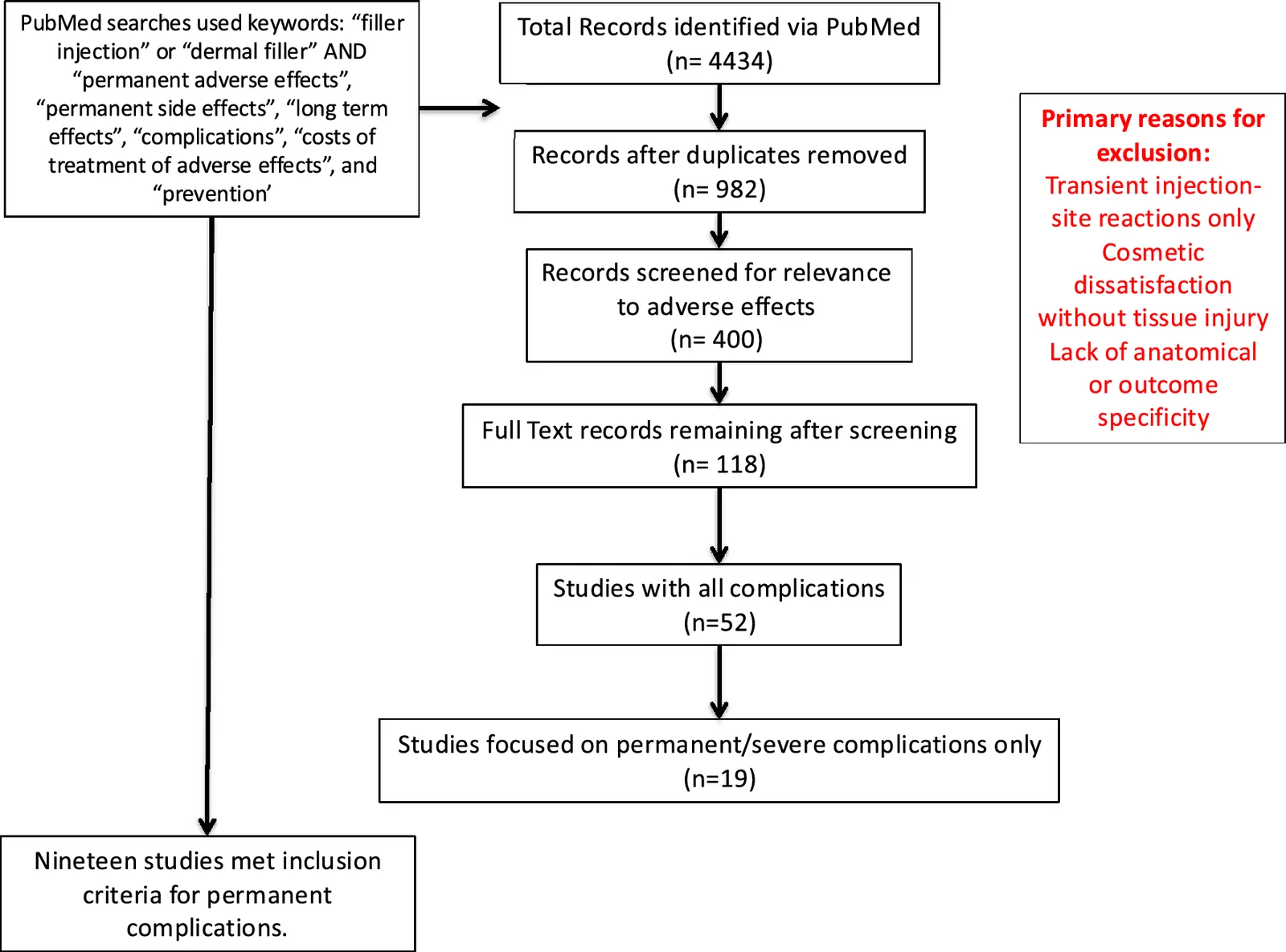
背景:填充剂广泛用于软组织增量与面部年轻化,总体安全,并发症多轻微;不可逆并发症虽罕见却后果严重,主因常是对面部解剖理解不足、选品 / 技术不当、诊断与管理失误。