多平面面部年轻化联合氨甲环酸安全性与结局
2026年9月3日25 min read
Plastic and Reconstructive Surgery Global Open
结论与实践要点
为什么值得纳入流程: TXA 是循证等级高、成本低、安全性明确的抗纤溶药,在骨科与整形(如保乳、面部骨折)已有大量应用。面部年轻化多平面剥离出血多、淤青重,TXA 能显著减少出血与术后青肿、缩短'见人'恢复期——直接提升患者体验与满意度。
风险把控: TXA 的血栓风险在系统大剂量时存在,但局部灌注/手术短时系统用药风险低;本文未观察到血栓升高。关键是把握适应证(无血栓高危史)、控制剂量与给药方式(局部优先)。
循证边界: 多为系列/对照非 RCT,长期数据有限;主要终点为出血/淤青而非美学差异。对我团队启发:把 TXA 作为面部年轻化(及颈部提升等)的'标准围术期优化'项,写入 SOP;与本文其他两篇手术(内镜提升、3D 颈部)形成'术式 + 围术期管理'的完整手术知识体系。注意 TXA 属处方用药,须由具备资质的医师评估后使用。
Background:Tranexamic acid (TXA) has demonstrated promising outcomes in plastic surgery. Our aim was to assess the effect of TXA in intraoperative bleeding, operative time, and complications among patients undergoing facial surgical procedures.
Methods:A retrospective cohort study of patients who underwent multiplane facial rhytidectomy from January 2018 to September 2022 at the Clinica Ziegler, Lima, Peru. Patients were divided into two groups according to the use of intravenous plus local infiltration of TXA. We performed the chi square test to assess associations among categorical variables, the Student t test and Mann–Whitney U test for categorical with continuous variables, and Pearson correlation for quantitative variables.
Results:A total of 100 patients were included with 50 patients in each group. The median age was 59.5 years and the majority were women (88%). The median operative time was 288.5 minutes. The TXA group presented less intraoperative bleeding (40 versus 90 mL, P < 0.05) and shorter operative time (237 versus 353 minutes, P < 0.05); no differences in the development of hematoma (2% versus 12%, P = 0.11), less ecchymosis (2% versus 36%, P < 0.05), edema (2% versus 100%, P < 0.05), and time to drain removal (3 versus 6 days, P < 0.05).
Conclusions:TXA improves the short- and long-term outcomes of patients who undergo multiplane facial rhytidectomy. It also decreases intraoperative bleeding by more than half and reduces the operative time by one third. Moreover, patients receiving TXA presented significantly less ecchymosis, edema, and time to drain removal.
Facial rejuvenation has been extensively studied during the last two decades. 1 To date, there are multiple studies on the anatomy and the development of multiple techniques to evaluate their safety, optimization of results, and complications. 2 – 4 Multiple retention ligaments have been described for the development of facial surgical anatomy, with better surgical results being achieved when these are dissected and freed. 5 – 13
The development of hematoma is one of the most important complications of facial surgery, with a reported incidence of 1%–8%. 14 – 17 Moreover, significant intraoperative bleeding can lead to severe local and systemic complications. Several methods have been developed to decrease bleeding such as perioperative blood pressure management, compression dressings, drains, tissue sealants, and tranexamic acid (TXA), with variable results. 15 , 18
TXA has been introduced to the surgical field since 1960s when it was used for gynecologic procedures related to hemophilia, ruptured aneurysms in neurosurgery, and oral surgery. 19 – 22 At present, multiple surgical specialties, such as vascular surgery, obstetrics, orthopedics, and trauma surgery, among others, use TXA to prevent bleeding and hematomas with promising results, reducing the need for blood transfusion by one third. 23 , 24 TXA is a synthetic derivative of lysine, which reversibly blocks the binding sites of plasminogen, thereby preventing its activation into plasmin and enzymatic degradation of the fibrin clot. 25 In addition, TXA can exert an anti-inflammatory effect, blocking the activation of plasminogen in the complement cascade and other mechanisms. 26 The use of TXA in plastic surgery procedures has shown significant improvements in the outcomes of abdominoplasty, liposculpture, breast reduction, mastopexy, facelift, breast augmentation, and local percutaneous anesthesia. 14 , 27 , 28
There is scarce literature on the use of TXA in aesthetic surgery, especially in facial rejuvenation. 29 – 33 Hence, our aim was to assess the effect of the administration of TXA on the intraoperative bleeding, operative time, and complications in patients undergoing multiplane facial rhytidectomy.
A retrospective cohort study was conducted of patients who underwent multiplane facial rhytidectomy at the Clinica Ziegler (Lima, Peru), during the period from January 2018 to September 2022. The patients were divided into two groups: in one group, local infiltration of saline (800 mL) solution with epinephrine (2 mL) and 2% lidocaine (20 mL) was used (1:400,000) with only intravenous saline (control group).
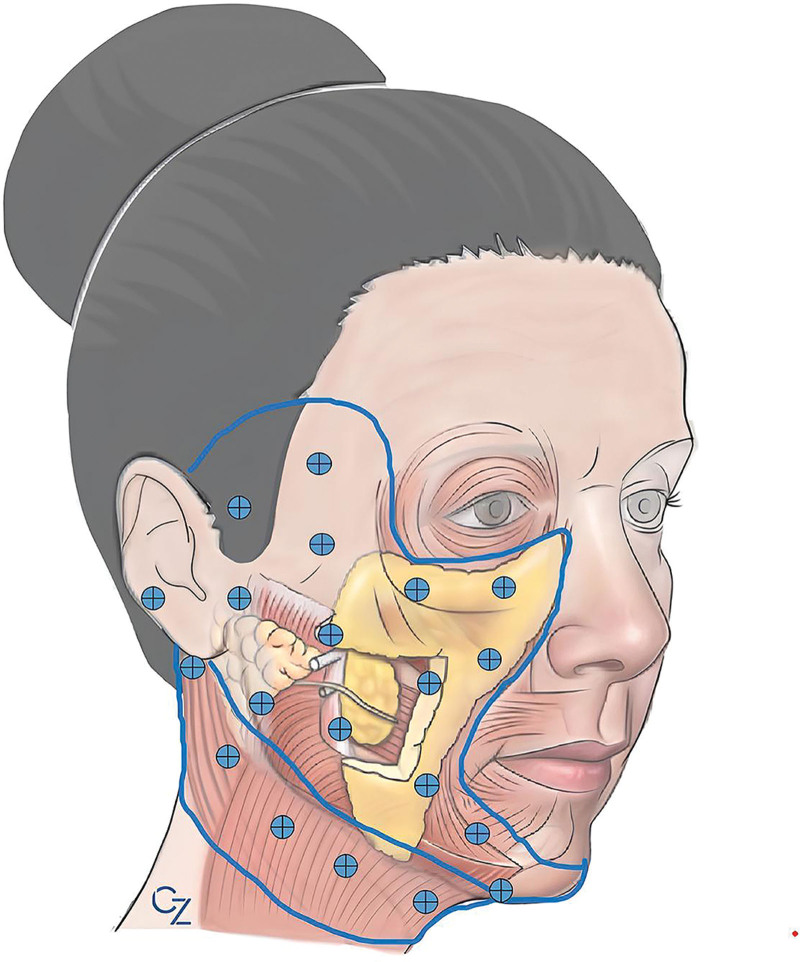
In the second group (cohort group), local infiltration involved the combination of saline (800 mL), TXA (10 mL/1 g), epinephrine 1:400,000 (2 mL), and 2% lidocaine (20 mL). It was applied in the operative site before the initiation of surgery. The site included the facial medial third, inferior third, and the neck, with a total volume of 150 mL per each site (blue dots show injection site and blue line demarks the area of solution diffusion using a 10-mL syringe with a 18 G needle; Fig. 1 ). TXA was not injected postoperatively in either group.
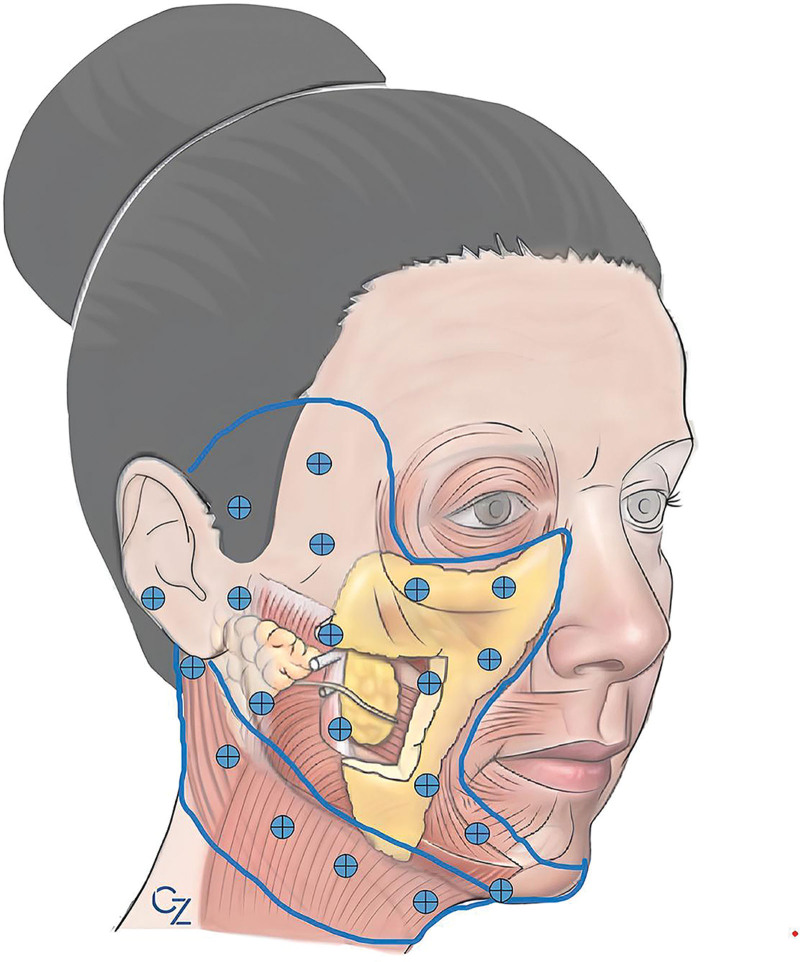
Fig. 1. Diagram of the extent of TXA injected into the face and neck.多平面解剖示意:SMAS/深层脂肪/皮肤各平面关系,界定'多平面'提升的操作层次。In regard to intravenous injection, slow infusion of TXA (10 mL/g) diluted in 100 mL of saline was performed, 15 minutes before beginning surgery.
The inclusion criteria were (1) age greater 18 years old; (2) presence of facial rhytids, cervical ptosis with lipodystrophy, and facial elastosis; (3) any type of previous facial rejuvenation procedure; (4) patients who only underwent multiplane facial rhytidectomy at the Clinica Ziegler; and (5) body mass index between 20 and 30 kg/m 2 . We excluded patients undergoing any other cosmetic procedure other than or in addition to multiple facial rhytidectomy; who did not stop anticoagulation or antiplatelet therapy within an appropriate time frame before surgery according to the CHEST perioperative guidelines 34 ; patients on oral contraceptives, hormone replacement therapy, nonsteroidal anti-inflammatory drugs, multivitamins, or vitamin E; patients with a history of thromboembolic events, hematologic diseases, history of epilepsy, the American Society of Anesthesiologist classification III or higher, international normalized ratio of 1.5 or higher; patients who had consumed alcohol 14 days before surgery; and who had tobacco consumption 21 days before surgery.
The technique performed was multiplane facial rhytidectomy, which consists of extended subcutaneous dissection until the nasolabial fold of the mid and lower face or the high superficial muscle aponeurotic system (SMAS) lift procedure. 10
We passed the cutaneous masseteric ligament to the nasolabial fold with the finger-assisted malar elevation technique to free the malar fat pad. 6 When the malar fat pad was free, the cutaneous masseteric ligament was dissected and freed with visualization of the medial facial artery, which was cauterized, and the nasolabial fold was released.
After the extended subcutaneous dissection, a subtotal myomectomy of the lateral orbicularis oculi muscle was performed (the senior author has used this technique as a routine for most of the procedures since early 2000s) with Metzenbaum scissors, and the fibers of the muscle were partially removed in the dissected flap and malar floor of the prezygomatic space. 35
A gauze with the percutaneous solution previously described for the acute expansion of the rhytidectomy flap was applied to obtain local, topical, and systemic effect in patients receiving TXA. 36 After this, the contralateral side was performed in the same way. After finishing the contralateral side, the gauze was removed and hemostasis was reviewed. The flap from the SMAS was freed with a modification of the high SMAS technique, with the angle of dissection parallel and medially to the Pitanguy line to preserve the branch of the facial nerve, as a modification from the senior author to Owsley’s inverted L technique. 35 , 37
A multivectorial suspension was then performed (five vectors), platysma SMAS, with fixation of the deep temporal fascia at a 45-degree angle, fixation of high SMAS, and platysma to the Lore fascia (preauricular fascia to the sternocleidomastoid muscle) in the lateral cervicoplasty with 2-0 nylon sutures. 38 , 39
The medial cheek was released and resuspended to the temporal fascia with 2-0 nylon sutures. 35 , 40 If the buccal fat pad was herniated, the excess fat pad was resected while preserving the motor branches and Stenon duct. 41 , 42
In the anterior cervical region, the platysma muscle was sutured with the Feldman technique. 43 Treatment of the depressor angularis muscle was performed for all patients through intraoral approach. 44 The bandages consisted of paraffin gauze dressing for the whole neck area and both ears, 4 × 4 gauzes, and two ace wraps of 6 inches in width.
Preoperatively, all the patients received an information sheet that described the medications and food that should be suspended 2 weeks before the procedure. In addition, both groups underwent preoperative cardiological and pulmonological evaluation, and a negative COVID-19 test. Patients on anticoagulation or antiplatelet medication were evaluated by a hematologist.
Intraoperatively, all the patients underwent general anesthesia and remained in the hospital for overnight observation for pain control and monitoring of vital signs. Both groups of patients had sequential compression devices in bilateral lower extremities and strict anesthesia monitoring. The mean arterial pressure was maintained at 60–70 mm Hg.
Postoperatively, compression with facial bandages was maintained for 7 days and pads with cold water were applied every 2 hours for 15 minutes. Follow-up was performed every other day to assess the operative site. The laminar drains placed in the cervical region were removed based on the presence of less than 5 mL of drain output daily. Moreover, the patients were instructed to have absolute rest for the first week and then relative rest and to resume activities at week 3 after suture removal. All the complications recorded in our study were until postoperative day 30.
Sociodemographic variables including sex and age in years were collected. Intraoperative characteristics included operative time in minutes and intraoperative bleeding, quantified by gauzes with 10 mL of blood. Postoperative complications and management such as hematoma, ecchymosis, and edema in the operative site, were evaluated by two plastic surgeons during the follow-up assessments, based the grading system by Jones et al 45 and only included grades 3 and 4. The postoperative complication (hematoma, ecchymosis, and edema) assessments were blinded to the observer and performed by a surgeon who had not performed the index case.
We performed descriptive statistics to assess sociodemographic, clinical, intraoperative, and postoperative characteristics with frequencies and percentages for qualitative variables, whereas quantitative variables were expressed as median and interquartile range (IQR). All the variables were distributed according to the use of TXA. The χ 2 test was used to assess the association between categorical variables, while the Student t and Mann–Whitney U tests were used for continuous variables with normal and abnormal distribution, respectively. Pearson correlation was used to evaluate the association between quantitative variables with a normal distribution. We used the Statistical Package for Social Sciences software, version 24.0. A P value of less than 0.05 was considered as statistically significant.
This study was approved by the institutional review board of the center. No variables that could identify the patients were reported. All the patients were identified with codes in the database.
A total of 100 patients undergoing multiplane facial rhytidectomy at the Clinica Ziegler were included. Two groups were established: one group included 50 patients who did not receive TXA (control group) and the other group included 50 patients in whom TXA was administered (cohort group). The median age of the population was 59.5 (IQR: 47.75–65) years and most of our population were women (88%). There were no differences in sex and age between the two groups (Table 1 ).
Table 1. Sociodemographic Characteristics of Patients Who Underwent Multiplane Facial Rejuvenation According to the Use of TXA
| Multiplane Facial Rejuvenation without TXA, N = 50 | Multiplane Facial Rejuvenation with TXA, N = 50 | Total, N = 100 | P | |
|---|---|---|---|---|
| Sex | ||||
| Female | 43 (86%) | 45 (90%) | 88 (88%) | |
| Male | 7 (14%) | 5 (10%) | 12 (12%) | 0.538 * |
| Age, y | ||||
| Median (IQR) | 59.5 (48–64.75) | 59.5 (48.25–64.75) | 59.5 (47.75–65) | 0.879 † |
| Age groups, y | ||||
| 27–59 | 25 (50%) | 25 (50%) | 50 (50%) | NE * |
| 60–75 | 24 (48%) | 24 (48%) | 48 (48%) | |
| ≥75 | 1 (2%) | 1 (2%) | 2 (2%) |
In regard to the intraoperative characteristics, the median quantity of intraoperative bleeding was 65 mL, whereas the median operative time was 288.5 minutes. The patients who received TXA had less intraoperative bleeding (40 versus 90 mL, P < 0.05) and a shorter operative time (237 versus 353 minutes, P < 0.05; Table 2 ; Figs. 2 and 3 ). Moreover, in all the patients (100%) without TXA, operative time was longer than 300 minutes, compared with 0% in patients with TXA (Table 2 ).
Table 2. Intraoperative Characteristics of Patients Who Underwent Multiplane Facial Rejuvenation According to the Use of TXA
| Multiplane Facial Rejuvenation without TXA, N = 50 | Multiplane Facial Rejuvenation with TXA, N = 50 | Total, N = 100 | P | |
|---|---|---|---|---|
| Intraoperative bleeding, mL | ||||
| Median (IQR) | 90 (80–100) | 40 (40–40) | 65 (40–90) | <0.05 * |
| Intraoperative bleeding, mL | ||||
| 10–40 | 0 (0%) | 42 (84%) | 42 (42%) | <0.05 † |
| 50–80 | 17 (34%) | 8 (16%) | 25 (25%) | |
| 90–120 | 33 (66%) | 0 (0%) | 33 (33%) | |
| Operative time, min | ||||
| Median (IQR) | 353.5 (345–357.8) | 237 (234–243) | 288.5 (237–353.2) | <0.05 * |
| Operative time, min | ||||
| 210–240 | 0 (0%) | 35 (70%) | 35 (35%) | NE † |
| 241–270 | 0 (0%) | 15 (30%) | 15 (15%) | |
| 271–300 | 0 (0%) | 0 (0%) | 0 (0%) | |
| 301–330 | 4 (8%) | 0 (0%) | 4 (4%) | |
| 331–360 | 40 (80%) | 0 (0%) | 40 (40%) | |
| 361–390 | 6 (12%) | 0 (0%) | 6 (6%) |
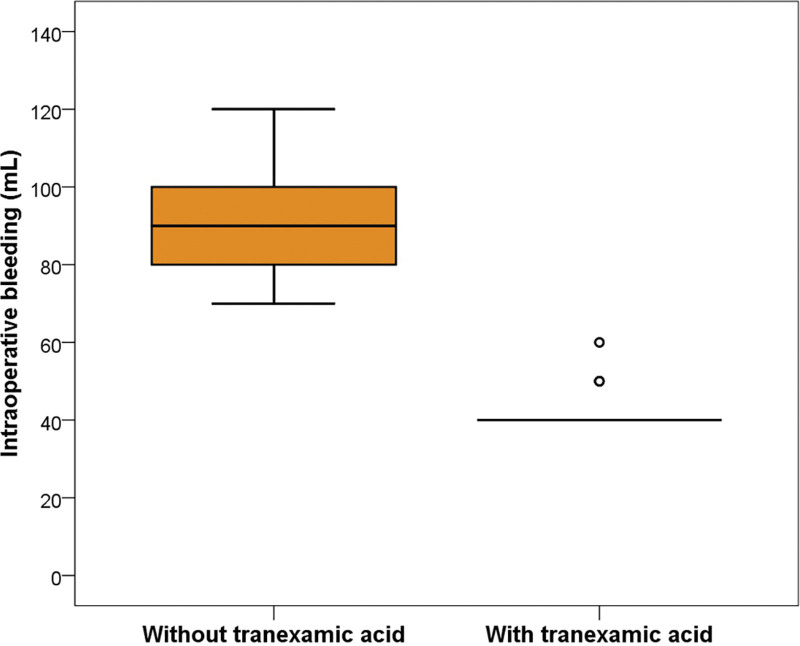
Fig. 2. Intraoperative bleeding of patients who underwent multiplane facial rejuvenation according to the use of TXA.TXA 给药方案(局部 vs 系统)示意。说明用药路径。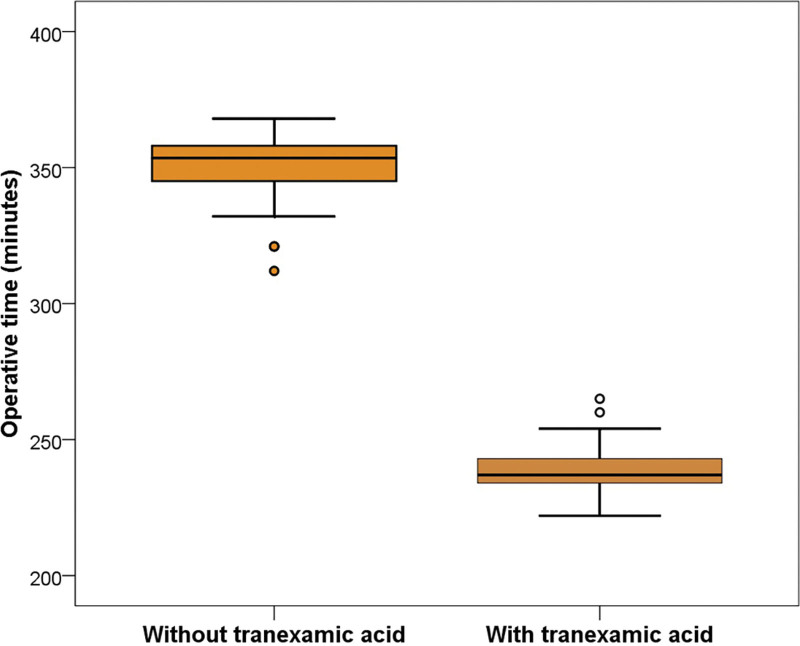
Fig. 3. Operative time of multiplane facial rejuvenation according to the use of TXA.术中出血对比(TXA vs 对照)。直观显示出血量下降。Although, the development of hematoma did not differ between the two groups, there was significantly less ecchymosis in the patients who received TXA compared with those who did not (2% versus 36%, P < 0.05). Furthermore, edema was less frequent in patients who had TXA (2% versus 100%, P < 0.05; Table 3 ). In relation to the time to drain removal, the mean time in patients with TXA was 3 versus 6 days for those who did not receive TXA ( P < 0.05). In only 8% of patients with TXA, the drain was removed on the postoperative day 4 or more, compared with 100% of the patients who did not receive TXA ( P < 0.05; Table 3 ; Fig. 4 ).
Table 3. Postoperative Characteristics and Complications of Patients Who Underwent Multiplane Facial Rejuvenation According to the Use of TXA
| Multiplane Facial Rejuvenation without TXA, N = 50 | Multiplane Facial Rejuvenation with TXA, N = 50 | Total, N = 100 | P | |
|---|---|---|---|---|
| Hematoma | ||||
| Yes | 6 (12%) | 1 (2%) | 7 (7%) | |
| No | 44 (88%) | 49 (98%) | 93 (93%) | 0.117 * |
| Ecchymosis | ||||
| Yes | 18 (36%) | 1 (2%) | 19 (19%) | |
| No | 32 (64%) | 49 (98%) | 81 (81%) | <0.05 * |
| Edema | ||||
| Yes | 50 (100%) | 1 (2%) | 51 (51%) | |
| No | 0 (0%) | 49 (98%) | 49 (49%) | <0.05 † |
| Time to drain removal, d | ||||
| Median (IQR) | 6 (5–7) | 3 (3–3) | 5 (3–6) | <0.05 † |
| Time to drain removal, d | ||||
| ≤3 | 0 (0%) | 46 (92%) | 46 (46%) | |
| 4–6 | 34 (68%) | 3 (6%) | 37 (37%) | |
| ≥7 | 16 (32%) | 1 (2%) | 17 (17%) | <0.05 * |
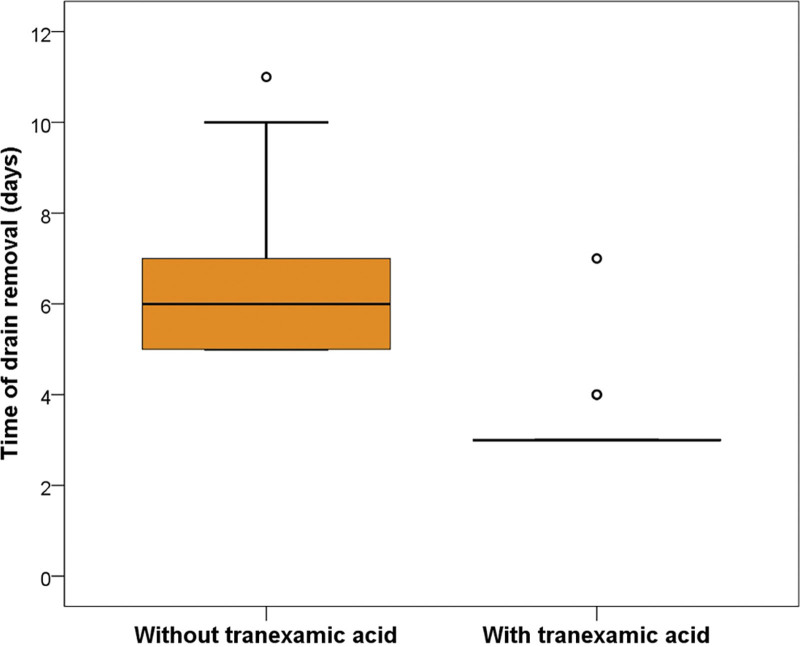
Fig. 4. Time of drain removal of patients who underwent multiplane facial rejuvenation according to the use of TXA.术后淤青/肿胀程度对比。TXA 组更轻。Evaluation of intraoperative bleeding and operative time according to the use of TXA showed that both variables were greater in patients who did not receive TXA, with no correlation between these two variables in either group (Fig. 5 ).
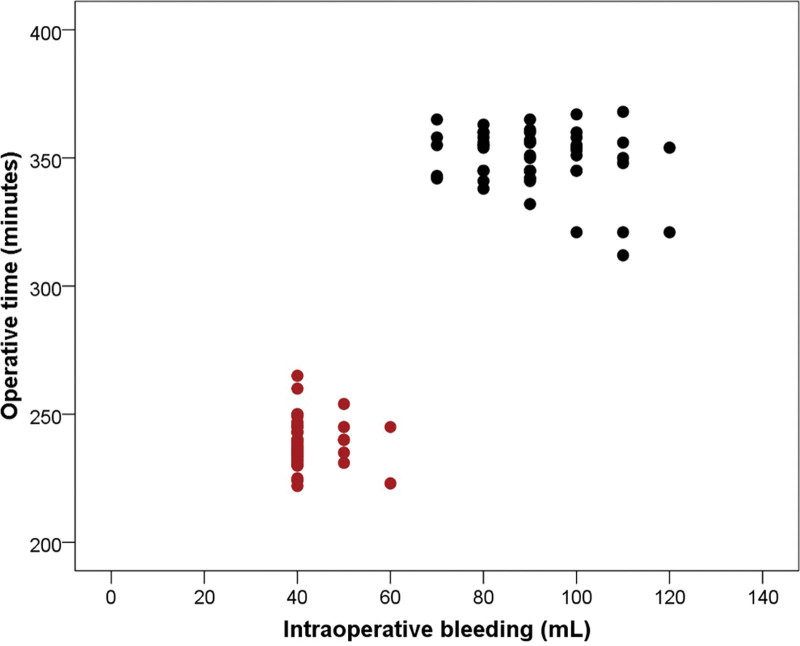
Fig. 5. Spearman correlation between bleeding and operative time in patients who underwent multiplane facial rejuvenation according to the use of TXA.并发症与血栓事件监测结果。未见 TXA 相关血栓升高。Moreover, when assessing the intraoperative bleeding and time to drain removal according to the use of TXA, both were greater in patients who did not receive TXA, and there was a direct proportional correlation between intraoperative bleeding and time to drain removal in both groups ( P < 0.05; Fig. 6 ).
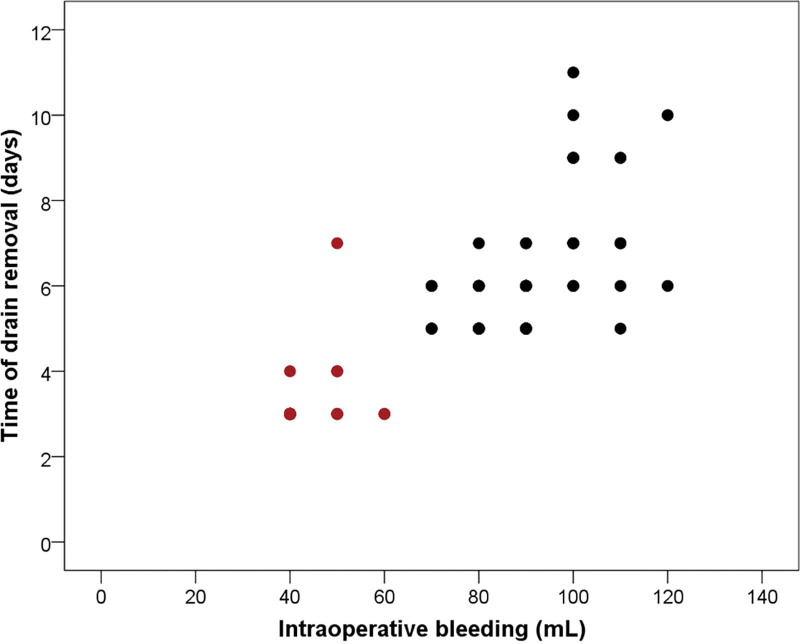
Fig. 6. Spearman correlation between bleeding and time to drain removal in patients who underwent multiplane facial rejuvenation according to the use of TXA.患者满意度评分对比。恢复体验改善带动满意度。Additionally, when we performed a subanalysis of the population according to the development of edema, greater intraoperative bleeding was associated with postoperative edema (90 versus 40 mL, P < 0.05; Table 4 ; Fig. 7 ). None of the patients in the two groups presented injury to the facial nerve, necrosis, or any other systemic complication, such as deep vein thrombosis, pulmonary embolism, acute kidney failure, need for blood transfusions, reintubation, or pneumonia.
Table 4. Intraoperative Bleeding According to the Presence of Edema in Patients Who Underwent Multiplane Facial Rejuvenation
| Total, N = 100 | Edema Present, N = 49 | Edema Absent, N = 51 | P | |
|---|---|---|---|---|
| Intraoperative bleeding, mL, median (IQR) | 65 (40–90) | 40 (40–40) | 90 (80–100) | <0.05 * |
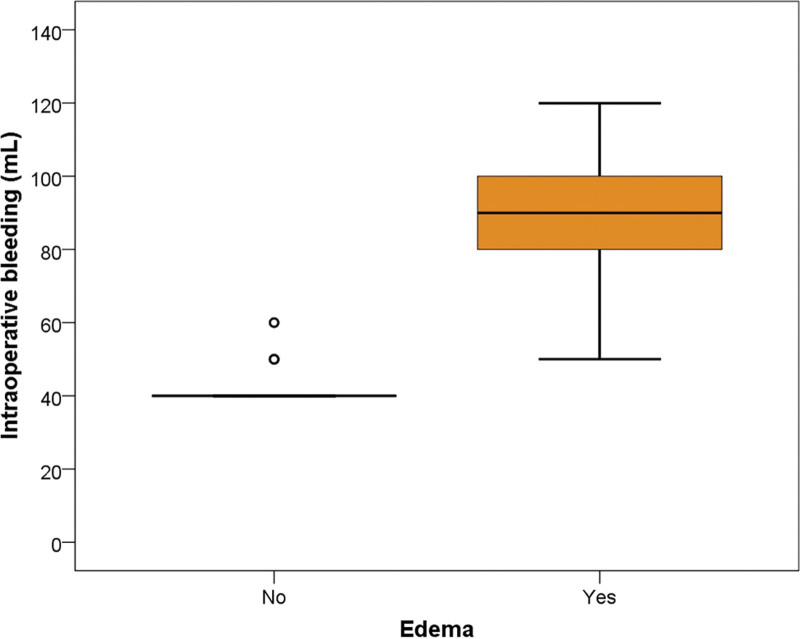
Fig. 7. Intraoperative bleeding according to the presence of edema in patients who underwent multiplane facial rejuvenation according to the use of TXA.代表病例术前/术后对照。展示综合年轻化效果。
In plastic surgery, TXA has demonstrated promising outcomes, decreasing the rate of complications specifically in facial surgery. 46 The results of our study show that outcomes, such as intraoperative bleeding and operative time, significantly reduced in patients receiving TXA during multiplane facial rhytidectomy (90 to 40 mL and 353 to 237 minutes, respectively). Moreover, although there was no difference in the rate of hematomas, between patients who did or did not receive TXA, there was a reduction in other postoperative outcomes, such as the presence of ecchymosis (36% to 2%), edema (100% to 2%), and time of drain removal (6 to 3 days).
Previous studies and systematic reviews have assessed the use of TXA in facelift procedures with high heterogeneity of data and debatable results. 27 , 29 , 31 , 47 We present one of the largest cohorts to date with the use of TXA in multiplane facial rhytidectomy, with assessment of multiple intraoperative features and outcomes such as complications. The populations of previous studies were smaller, and we used a different facelift technique. 27 , 31 , 47 To date, there are multiple ways to administer TXA including oral, topical, intravenous, and infiltration/tumescent administration, but there is no standard way in facial rejuvenation procedures. 28 , 48 Although other studies used TXA as irrigation, or by a local, tumescent, or intravenous route, 27 , 31 , 47 we used both local infiltration and the intravenous route with strict regulation of the doses to maximize optimal results without increasing the risk of side effects or related complications.
The characteristics of the patients in our study were similar in terms of age and sex, with most being women, similar to previous studies; however, we also included a small population of men. 29 , 31 , 47 Intraoperative bleeding significantly decreased in patients who received TXA, similar to the 27 patients who received percutaneous injections as tumescent dilution of TXA in the facial flaps in the study by Cuoto et al. 49 Likewise, another study showed that intravenous infusion of TXA before and 4 hours after the procedure significantly reduced the intraoperative bleeding in all the cases who received this medication. 27 , 50 Moreover, we found that the operative time decreased approximately two hours with no evidence of major complications, most likely as a result of the decreased intraoperative bleeding, and better hemostasis which allow to proceed more rapid performance of the procedure with the dual effect of the epinephrine and TXA to avoid rebound bleeding. 51
Our study showed that the overall hematoma rate was 7% which is similar to previous studies, 52 , 53 and despite the lack of statistical significance ( P = 0.11), the group with TXA had 10% fewer hematomas compared with the group that did not receive TXA. Previous studies showed that the hematoma rate was also similar with a trend to decrease in the TXA group despite the decreased intraoperative bleeding. 31 , 47 Hence, future studies with greater power or meta-analysis could obtain better evidence of this complication, as demonstrated in other aesthetic procedures. 46 , 51 , 54
Moreover, we found that the administration of TXA decreased the rate of ecchymosis and seromas. A study by Cohen et al 31 showed that the use of intravenous TXA 15 minutes before the incision reduced the development of ecchymosis and postoperative edema. The literature has described that the use of TXA in both intravenous and percutaneous formulations decreases the rebound effect of bleeding and reduces the incidence of postoperative seroma. This was also shown in our study, in which the group with the development of edema had more intraoperative bleeding. 30 – 32 Indeed, the administration of TXA decreases intraoperative bleeding, which translates in decreased edema. These findings are also explained due to the modulation effect of TXA in inflammatory response, blocking the tissue plasminogen activator dependent on the generation of plasmin and avoiding the biding of active plasmin to polymerized fibrin. 55 These anti-inflammatory effects contribute significantly to postoperative outcomes and patient recovery.
In relation to the time to drain removal, the time in patients who received TXA was reduced by 50%. Although, we had different criteria to remove the drain such as output less than 5 mL, Schroeder et al 27 reported similar results with a decrease in time to drain removal from 1.8 to 1.2 days and an increased percentage of postoperative drain output less than 25 mL from 21.9% to 95.5%. This is most likely explained by the reduction in intraoperative blood loss and postoperative drainage volume, which showed a positive correlation in our study, and was observed in the recovery phase as the presence of edema and ecchymosis.
The technique used in the present study is safe, in the setting that the facial nerve was not altered in any of the patients, being considered as a fourth-generation rhytidectomy combining SMAS and deep plane face-lifts. 10 Moreover, there were no cases of systemic complications such as deep vein thrombosis, pulmonary embolism, and acute kidney failure. Previous studies have performed extended deep plane facelift, round rhytidectomy with SMAS and platysma plication, or the combination of those with similar results. 27 , 31 , 47 These findings are consistent with previous literature and support the use of TXA without increasing the morbidity of the patients.
Despite our findings, our study had a retrospective design which assures association between the TXA and outcomes but no causation. Although our population did not include patients undergoing additional procedures at the same time which could bias our results, our findings were based on only one institution. Future studies are needed with data from several centers to limit potential selection bias and achieve randomization of the population, thereby making the results more applicable to other populations. Moreover, future studies should match the patients according to sex, as our population included mainly women, and history of hypertension to avoid bias due to this comorbidity.
In conclusion, the use of TXA is safe and improves the short- and long-term outcomes of patients who undergo multiplane facial rhytidectomy. Administration of this antifibrinolytic was associated with a reduction of intraoperative bleeding by more than the half and a reduction of the operative time by one third. Moreover, patients receiving TXA had significantly less ecchymosis, edema, and time to drain removal compared with patients who did not receive this drug. Further prospective randomized controlled trials with a larger number of patients are needed to provide further evidence related to systemic complications and stronger recommendations for this medication in facial rejuvenation procedures.
The authors have no financial interest to declare in relation to the content of this article.
The authors thank the Universidad Científica del Sur, Universidad Peruana de Ciencias Aplicadas and Clínica Ziegler for their support in the publication of our research.
声明:中文精读 · 仅供学术参考。内容来自公开文献检索,不代表本人观点,不构成诊疗建议。 医疗美容需在正规医疗机构由执业医师实施。
基于相同主题推荐 · 继续深挖
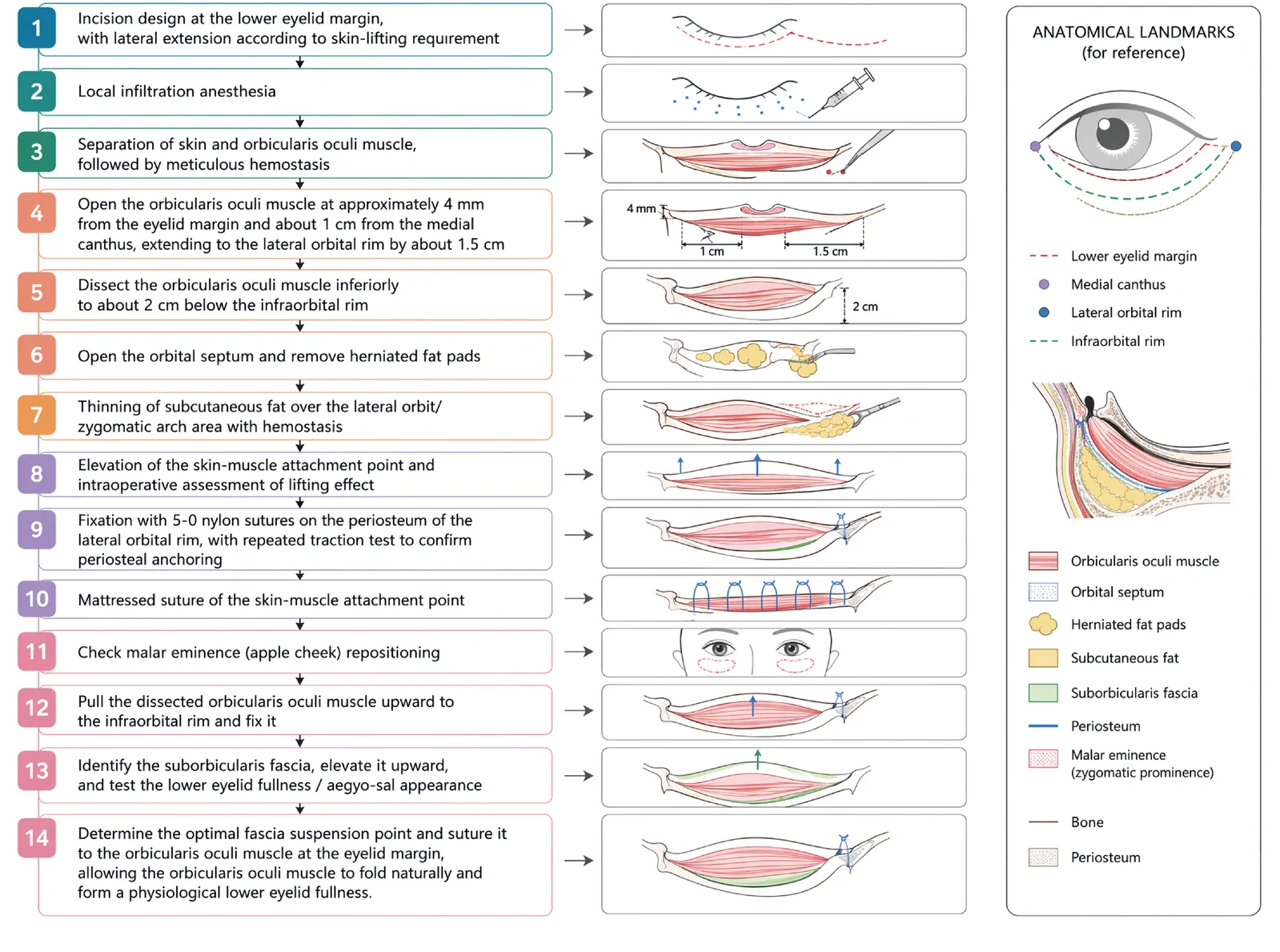
V3中面部提升经睫毛下切口,沿内眦线、外眦线、颧脂肪垫下界三个向量悬吊,可同时改善中面部下垂、下睑袋及睑颊轮廓不连续。
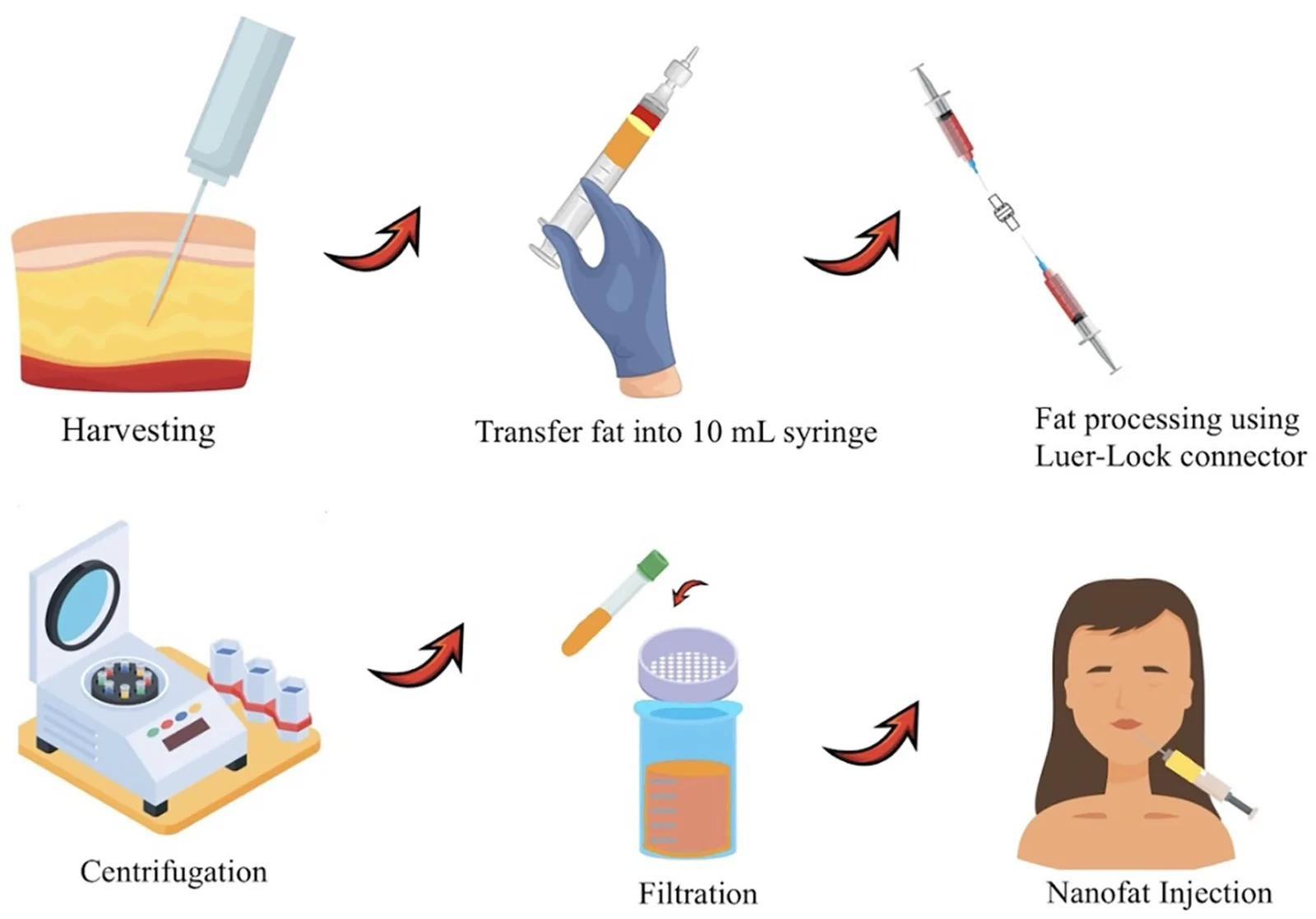
PRISMA 系统综述(2024-12),纳入 18 项研究、768 例患者;纳米脂肪为机械乳化/过滤的自体脂肪,富集 SVF 与脂肪来源干细胞,侧重再生而非单纯容积充填。
背景:多平面面部年轻化(深层除皱 + 容积/脂肪处理 + 皮肤重铺)创伤较大,术中出血与术后淤青影响恢复与满意度。氨甲环酸(TXA)具抗纤溶、减少出血作用,本文评估其在多平面面部年