VYC-25L透明质酸填充剂矫正中国人颏后缩的安全性与有效性
2026年7月8日10 min read
Aesthetic Surgery Journal · 2025;45(7):699-708
Aesthetic Surgery Journal · 2025;45(7):699-708
VYC-25L透明质酸填充剂矫正中国人颏后缩的安全性与有效性
Xie Y, Li Q, Zhao H, Qi Z, Sun J, Tan Q, Li D, Hu Z, Liu Z, Chawla S
期刊: Aesthetic Surgery Journal, 2025;45(7):699-708
DOI: 10.1093/asj/sjaf033 | PMCID: PMC12168443 | 注册号: NCT04559984
Individuals with chin retrusion may seek chin and lower jawline aesthetic enhancement. This study evaluated VYC-25L (Juvéderm Volux XC; Allergan Aesthetics, an AbbVie company), a lidocaine-containing injectable hyaluronic acid dermal filler, for chin retrusion correction.
In this prospective, Phase 3, multicenter study (NCT04559984), Chinese adults with moderate-to-severe chin retrusion on the China (Allergan) Chin Retrusion Scale (CACRS) and glabella–subnasale–pogonion (G–Sn–Pog) angle <172.5° were randomized 2:1 to VYC-25L (treatment plus optional touch-up 4 weeks later) or no treatment (control). The primary endpoint was change from baseline (CFB) in G–Sn–Pog angle at Week 24. Secondary endpoints included CACRS response (≥1-point improvement), Global Aesthetic Improvement Scale (GAIS) response (improved/much improved), and FACE-Q Satisfaction with Chin score. Procedural pain was rated (0 = none to 10 = worst imaginable); injection-site responses (ISRs) were recorded daily for ≤28 days.
The mean age of the patient (VYC-25L, n = 97; control, n = 51) was 31.2 years (range, 20-52 years). Mean CFB in G–Sn–Pog angle at Week 24 was 2.97° (VYC-25L) vs 0.09° (control; between-group difference, 3.08° [P < .0001]); improvement was maintained to Week 52. At Week 24, VYC-25L achieved higher responses vs control for CACRS (78.7% vs 18.8%, respectively; rate difference, 60.0%; P < .0001) and GAIS (92.6% vs 4.2%, respectively; rate difference, 88.4%; P < .0001); mean overall FACE-Q Satisfaction with Chin score was 70.4 vs 34.9, respectively. Mean (standard deviation) procedural pain was 2.6 (1.6); most ISRs were mild (41.8%) or moderate (50.0%) in severity.
In Chinese adults, VYC-25L safely and effectively corrected chin retrusion for at least 1 year.
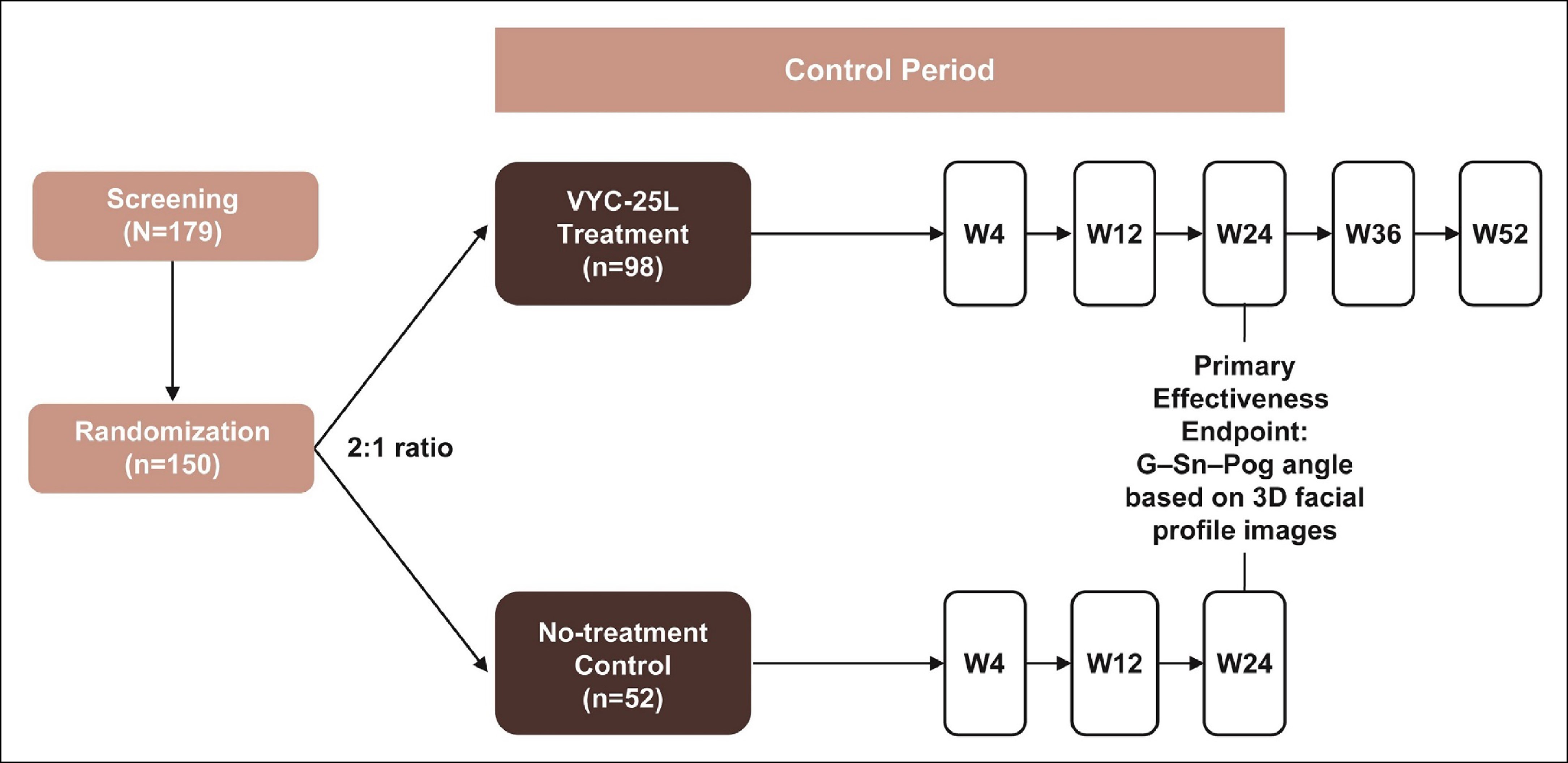
This was a prospective, multicenter, Phase 3, randomized, no-treatment control study carried out at 7 sites in mainland China from October 2020 through August 2022 (NCT04559984). Patients were randomized in a 2:1 ratio to receive treatment with VYC-25L (treatment group) or no treatment (control group). Those randomized to the treatment group received initial treatment with VYC-25L on the same day as randomization and had follow-up visits at Weeks 4, 12, 24, 36, and 52 after randomization. Patients in the treatment group had the option to receive a touch-up treatment 4 weeks after the initial treatment if investigators determined that at least a 1-point improvement in the China (Allergan) Chin Retrusion Scale (CACRS) score had not been achieved. Patients randomized to the control group did not receive treatment during the first 24 weeks after randomization.
This study was approved by an independent ethics committee (Medical Ethics Committee of Shanghai Ninth People's Hospital, Shanghai Jiao Tong University School of Medicine, Shanghai, China) before initiation and was conducted in compliance with International Council on Harmonisation Good Clinical Practice guidelines.
Figure 1. Study design. G–Sn–Pog, glabella–subnasale–pogonion; W, week.
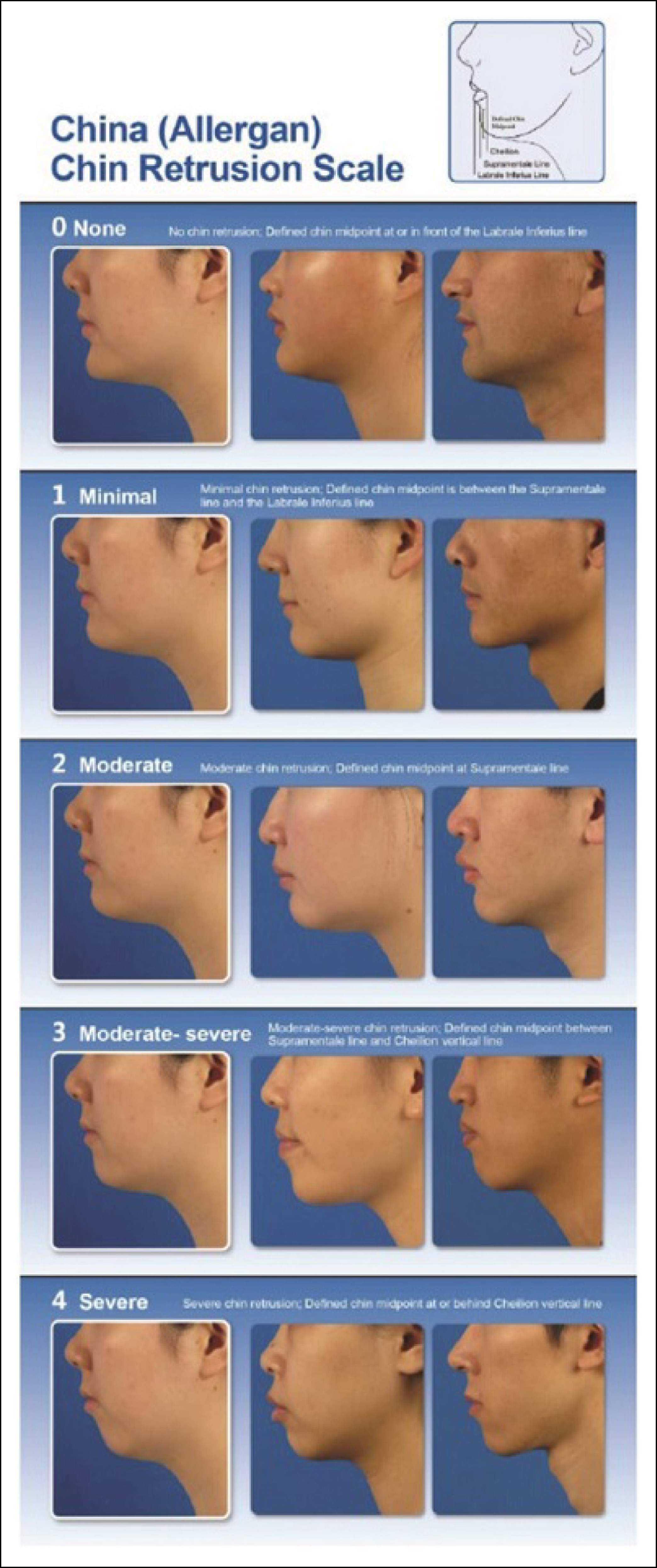
Figure 2. China (Allergan) Chin Retrusion Scale. © 2025 AbbVie. Used with permission.
Eligible patients were of Chinese descent, aged ≥18 years, who were seeking improvement of chin retrusion. Patients were required to have moderate-to-severe chin retrusion on the CACRS and a glabella–subnasale–pogonion (G–Sn–Pog) angle <172.5°. Individuals were excluded if they had a history of hypertrophic scarring, allergy to lidocaine or HA products, active autoimmune disease, previous chin or jaw surgery, permanent dermal filler below the subnasale, or temporary dermal filler injected below the subnasale within 12 months before enrollment.
VYC-25L was injected supraperiosteally with a 27-G, half-inch needle. Treatment was limited to the pogonion (a required initial treatment site), menton, and prejowl sulci. A minimum volume of 1.0 mL and a maximum volume of 4.0 mL were allowed for initial and touch-up treatments combined.
The primary effectiveness endpoint was change from baseline (CFB) in the G–Sn–Pog angle at Week 24. Secondary endpoints included CACRS responder rate (≥1-point improvement), GAIS responder rate, and FACE-Q Satisfaction with Chin overall score.
A total of 126 patients were needed to provide >97% power to detect a difference in mean G–Sn–Pog angle CFB of at least 1.6° between groups. 150 patients were enrolled.
Of 179 individuals screened, 150 were randomized and 148 comprised the mITT population. The mean age was 31.2 years (SD, 7.6; range, 20-52 years); 17 patients (11.5%) were males and 131 (88.5%) were females.
| Characteristic | VYC-25L (n=97) | Control (n=51) | Total (n=148) |
|---|---|---|---|
| Age, mean (SD) | 31.4 (7.6) | 30.9 (7.7) | 31.2 (7.6) |
| Age, range | 21-52 | 20-50 | 20-52 |
| Male, n (%) | 12 (12.4) | 5 (9.8) | 17 (11.5) |
| Female, n (%) | 85 (87.6) | 46 (90.2) | 131 (88.5) |
| BMI, mean (SD) | 21.3 (2.8) | 20.9 (2.4) | 21.1 (2.7) |
| G–Sn–Pog angle, mean (SD) | 162.1° (4.5) | 162.0° (5.4) | NR |
| FACE-Q Chin score, mean (SD) | 32.1 (11.2) | 30.8 (9.8) | NR |
All patients in the treatment group received initial treatment with VYC-25L in the pogonion. The mean (SD) volume injected across all areas was 2.4 (0.85) mL. A total of 19.4% received touch-up treatment (mean volume 1.2 mL).
The primary effectiveness endpoint was achieved. The mean CFB in the G–Sn–Pog angle was significantly larger in the VYC-25L group compared with control at all time points, including Week 24 (2.97° vs −0.09°), with a between-group difference of 3.08° (P < .0001). The mean CFB was maintained at 2.79° and 2.46° through Weeks 36 and 52.
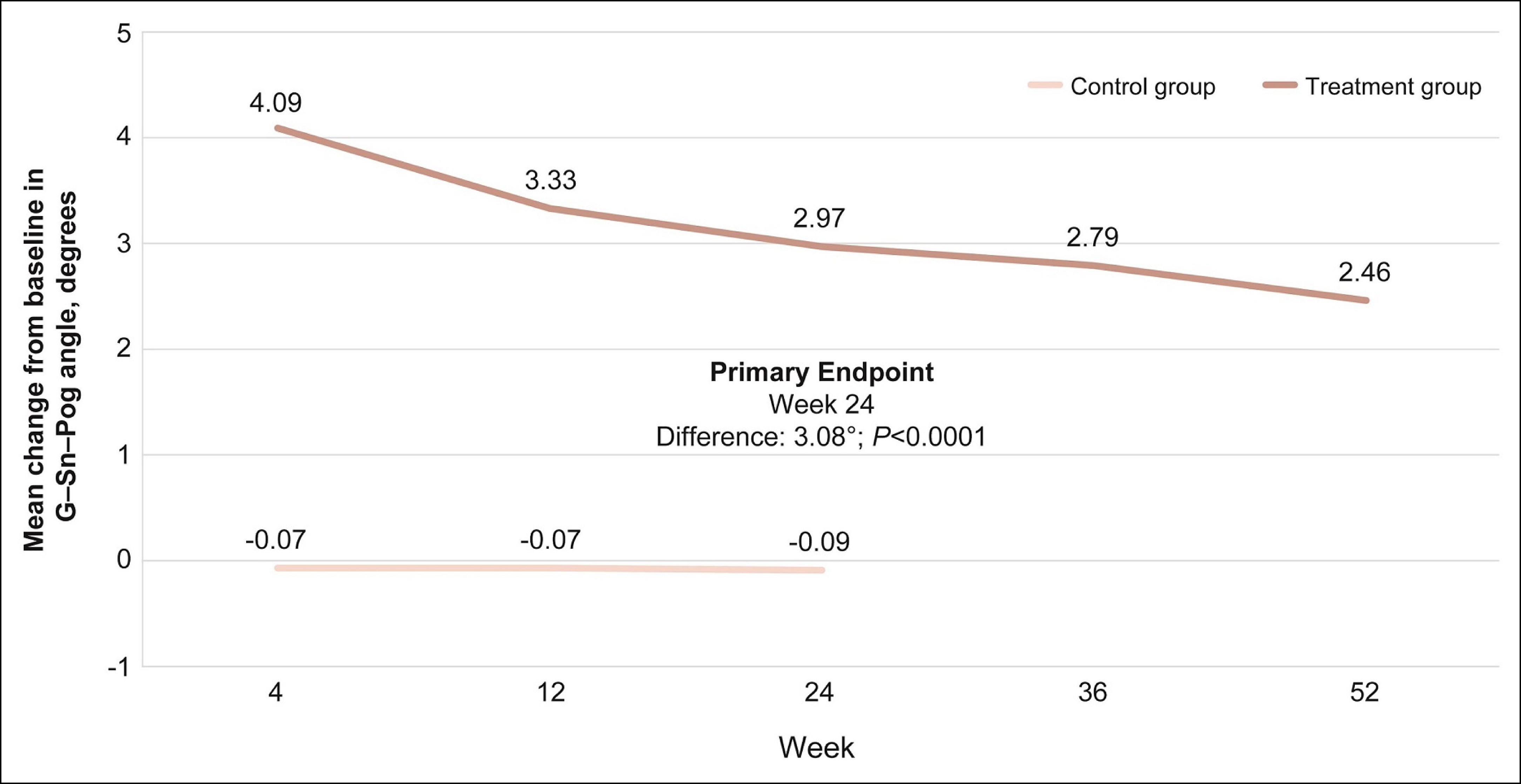
Figure 3. Mean change from baseline in G–Sn–Pog angle over time through Week 52.
The CACRS responder rate at Week 24 was significantly higher in the VYC-25L group (78.7% vs 18.8%; P < .0001).
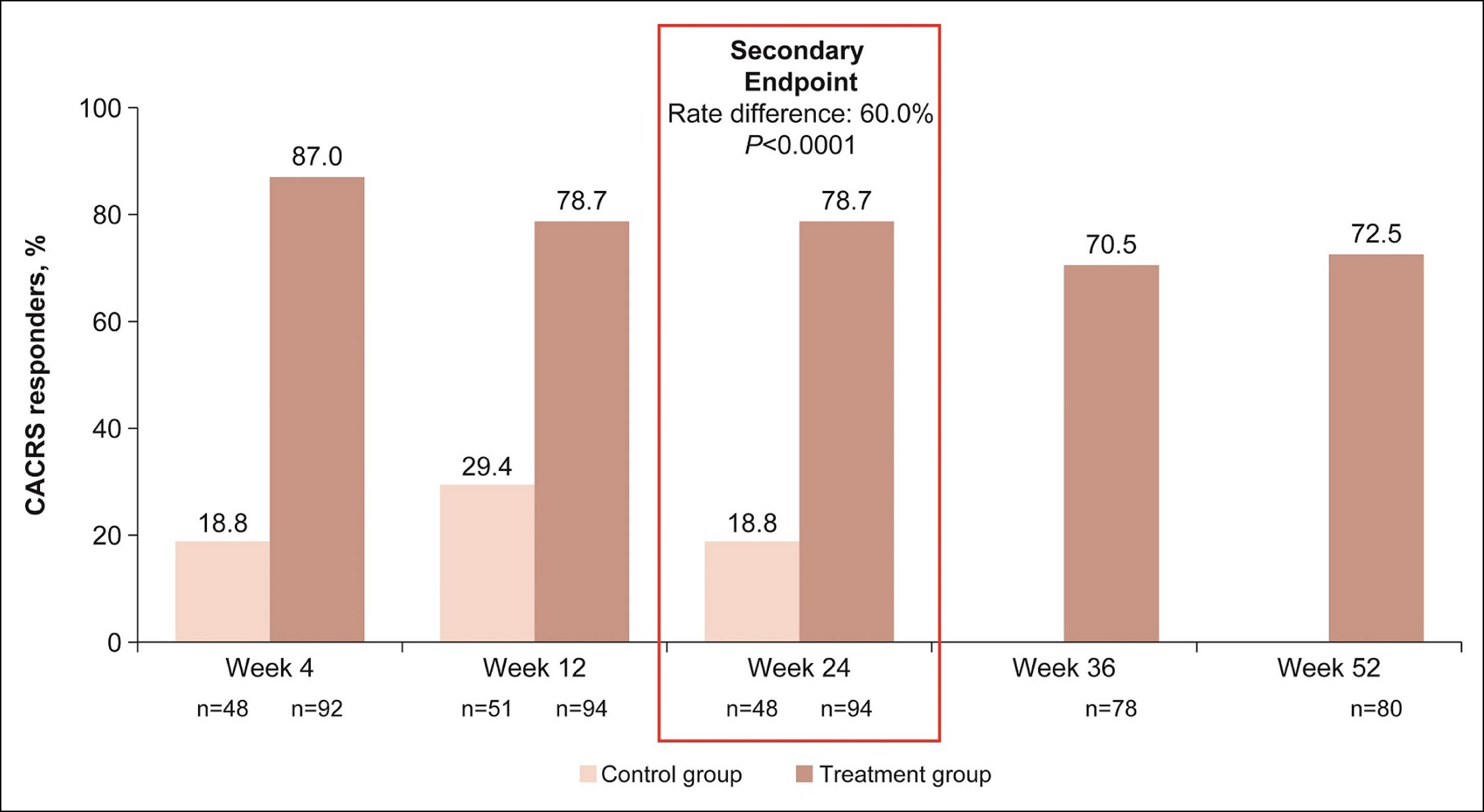
Figure 4. China Allergan Chin Retrusion Scale responder rates at all time points.
The investigator-assessed GAIS responder rate at Week 24 was 92.6% vs 4.2% (P < .0001). The patient-assessed GAIS responder rate was 95.7%.
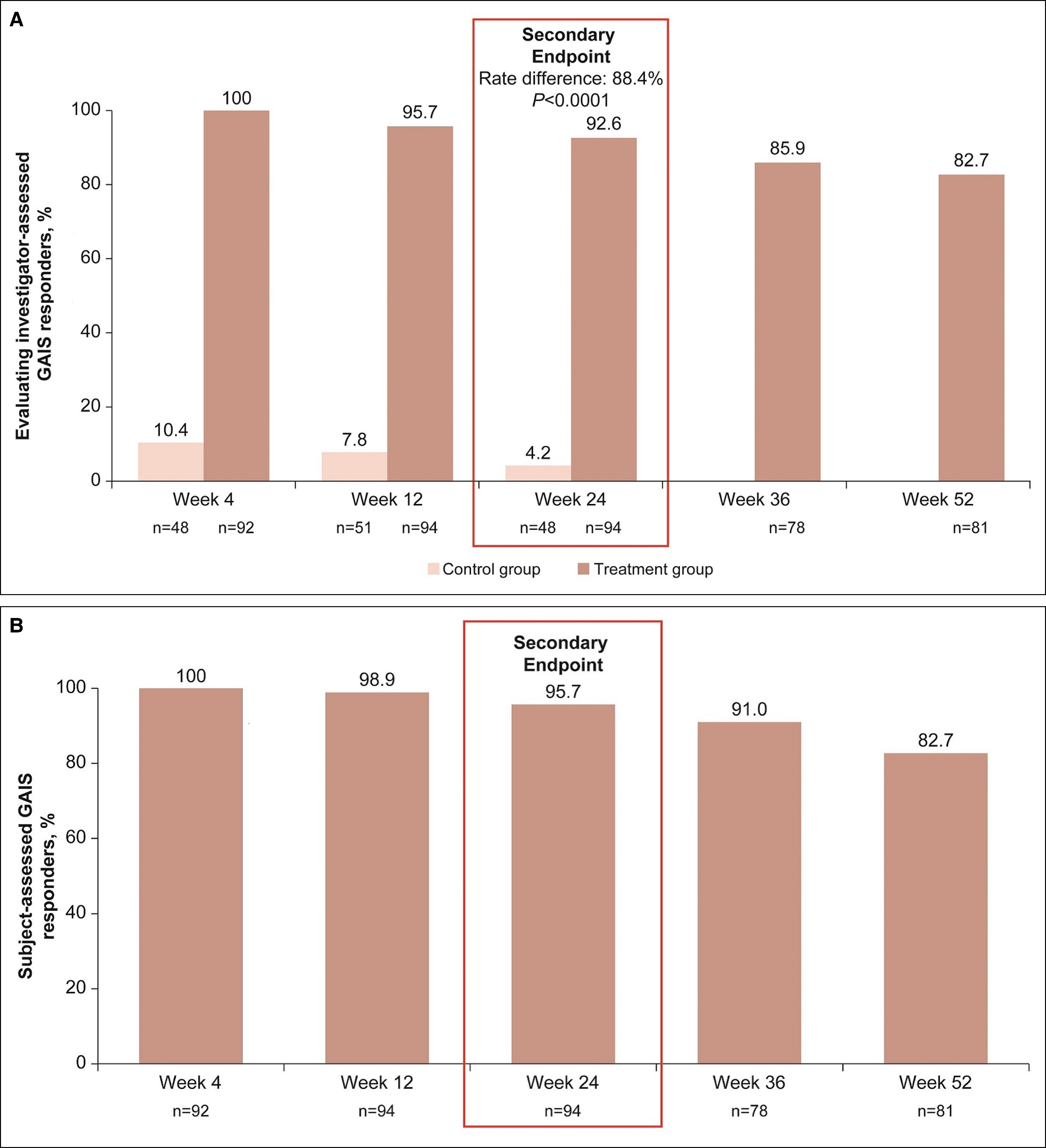
Figure 5. GAIS responder rates at all time points. (A) Investigator-assessed. (B) Patient-assessed.
The mean overall FACE-Q Satisfaction with Chin score at Week 24 was 70.4 vs 34.9 (between-group difference 35.4, P < .0001).
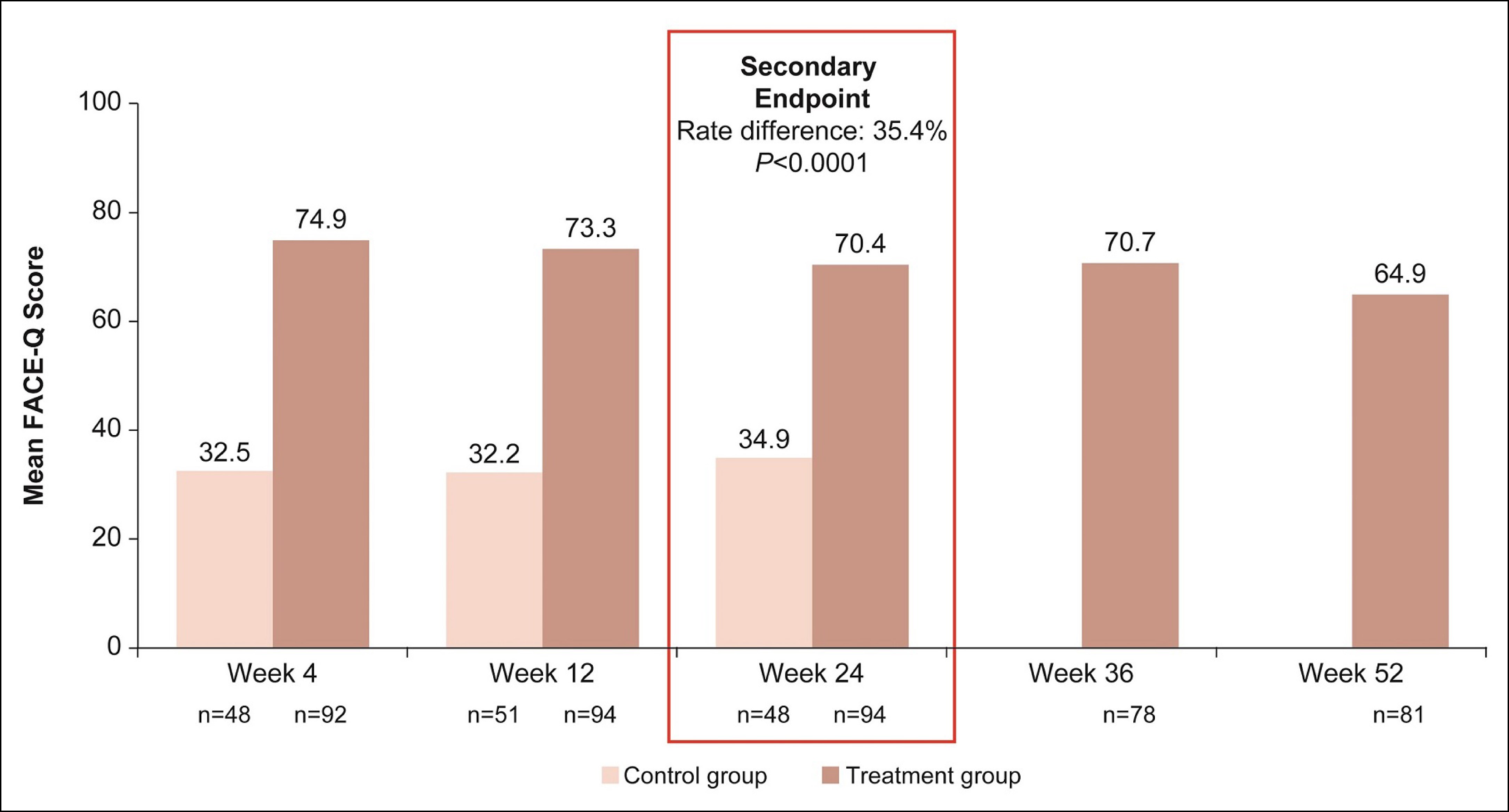
Figure 6. FACE-Q Satisfaction with Chin Scale scores at all time points.
At Week 24, the mean (SD) CFB in chin area volume was 4.2 (2.4) mL for VYC-25L vs 0.4 (1.7) mL for control. Representative photographs are shown in Figure 7.
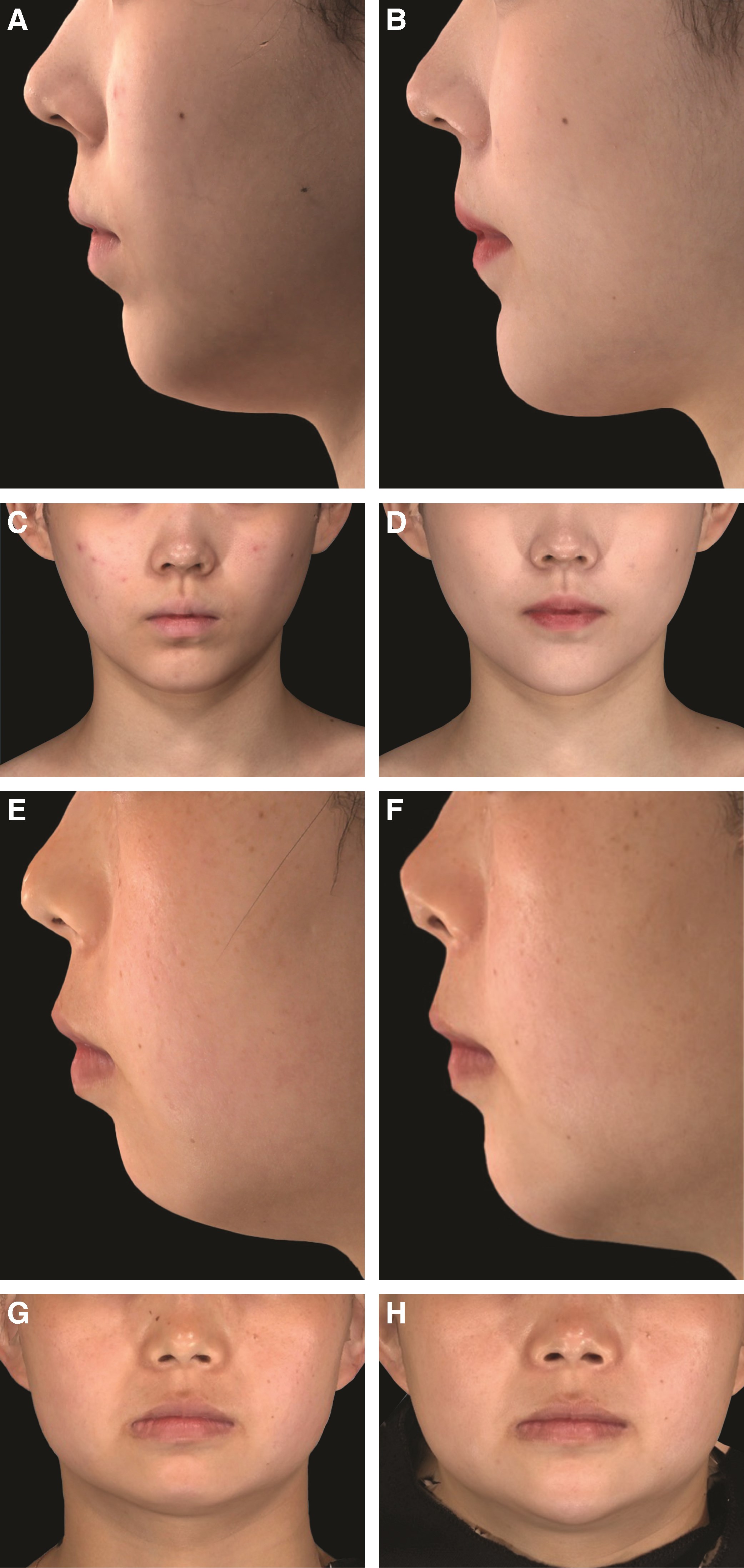
Figure 7. Representative photographs of patients before and after receiving VYC-25L. (A-P) Four participants showing improvements in G–Sn–Pog angle at Week 24 posttreatment.
During the control period, 15 (15.3%) patients in the VYC-25L group and 3 (5.8%) in the control group experienced TEAEs. One TEAE (hypoglycemia) was considered treatment-related. No TEAE led to study discontinuation.
All patients in the VYC-25L group reported ≥1 ISR after initial treatment, with the most common being swelling (89.8%), tenderness to touch (87.8%), and pain after injection (84.7%). Most ISRs were mild (41.8%) or moderate (50.0%); 8.2% were severe. The majority (67.4%) resolved within 14 days. Mean (SD) procedural pain was 2.6 (1.6).
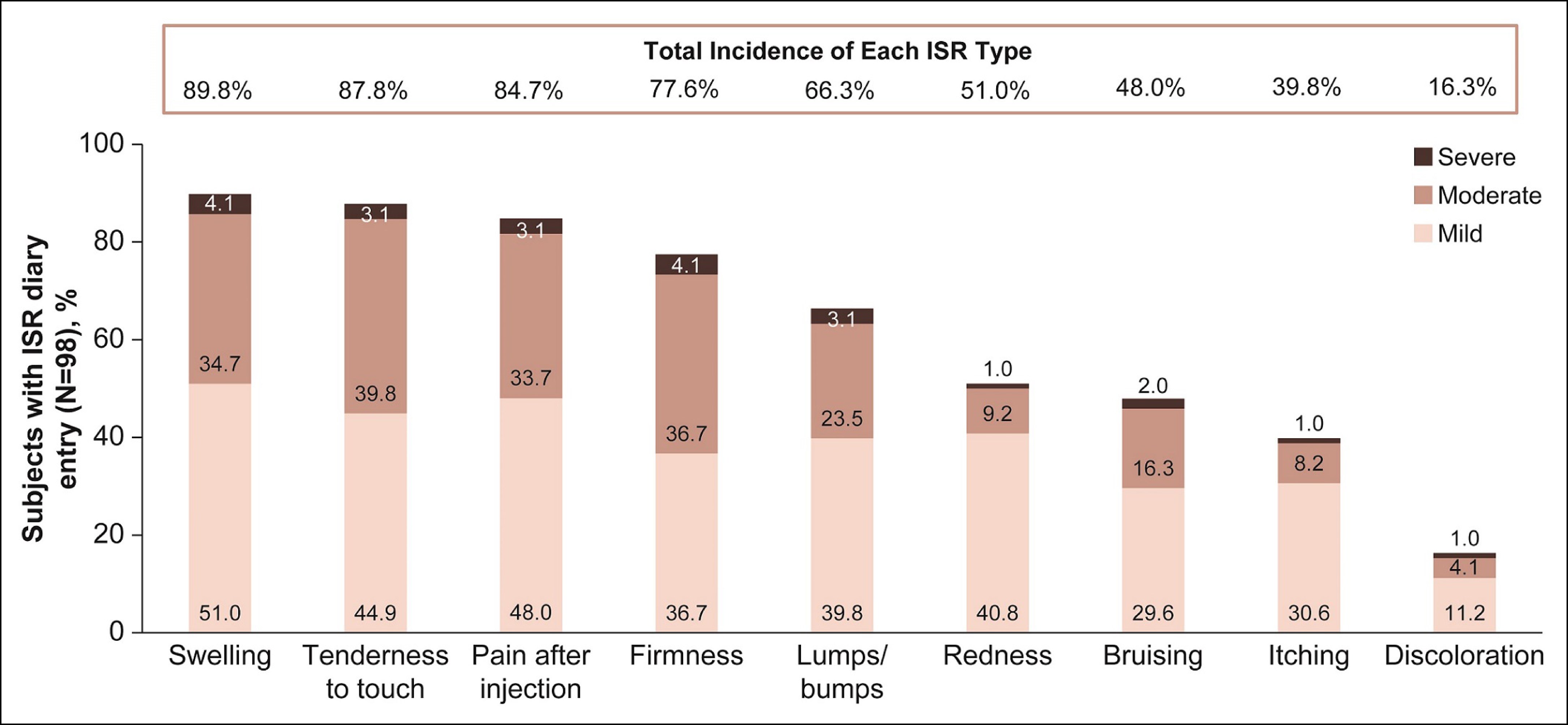
Figure 8. Injection-site responses after initial treatment.
| Category | VYC-25L (n=98) | Events | Control (n=52) | Events |
|---|---|---|---|---|
| All TEAEs | 15 (15.3%) | 30 | 3 (5.8%) | 4 |
| TRAEs | 1 (1.0%) | 1 | 0 | 0 |
| All SAEs | 1 (1.0%) | 1 | 1 (1.9%) | 1 |
| Treatment-related SAEs | 0 | 0 | 0 | 0 |
| TEAEs leading to discontinuation | 0 | 0 | 0 | 0 |
| Deaths | 0 | 0 | 0 | 0 |
In this study, VYC-25L was effective and well tolerated for the treatment of moderate-to-severe chin retrusion in Chinese individuals. Treatment corrected the volume deficit in the chin and lower jaw, as reflected by significant improvements vs control in the G–Sn–Pog angle, CACRS, GAIS responder rates, and FACE-Q measures. Posttreatment procedural pain was minimal, ISRs were mostly mild to moderate and transient, and no patient discontinued because of TEAEs.
These results are consistent with a real-world experience study conducted at Hainan Bo'ao Super Hospital in China. The results compare favorably with a study of HA-DEF (Restylane Defyne) in Chinese adults with mild-to-moderate chin retrusion. Unlike that study, the present study evaluated VYC-25L in patients with moderate-to-severe chin retrusion using the CACRS, a validated scale developed specifically for Chinese adults who have distinct craniofacial morphological characteristics.
Limitations: Most patients (88.5%) were females; the mean age (31 years) was younger than European/US pivotal studies (46 and 59 years); the study did not contain an active comparator.
VYC-25L had an acceptable safety profile and corrected moderate-to-severe chin retrusion in Chinese adults, with improvements observed through 1 year. Treatment was associated with high patient satisfaction. VYC-25L is safe and effective in the enhancement of the chin and jaw area to restore volume in Chinese adults with chin retrusion.
⚠️ 医疗免责声明:本文仅供学术交流,不构成临床诊疗建议。具体治疗方案请咨询专业医师。
声明:中文精读 · 仅供学术参考。内容来自公开文献检索,不代表本人观点,不构成诊疗建议。 医疗美容需在正规医疗机构由执业医师实施。
基于相同主题推荐 · 继续深挖
前瞻性III期多中心随机对照研究(NCT04559984),148例中重度颏后缩中国成人随机2:1接受VYC-25L(Juvéderm Volux XC)或未治疗对照。24周时G-Sn-Pog角平均改善2.97°(对照组-0.09°,P<0.0001),CACRS应答率78.7% vs 18.8%(P<0.0001),GAIS应答率92.6% vs 4.2%。效果维持至52周。注射平均体积2.4 mL, procedural pain评分2.6/10。
2026/05/17 · 文献笔记 · 8 min read
VYC-25L(Juvederm VOLUMA with Lidocaine)是基于Vycross技术研发的结构型HA填充剂,具备高弹性模量(G′=665 Pa)和高内聚性(93 gmf),适用于颏部和下颌线容积恢复与轮廓塑造,临床效果通常维持≥24个月。全球8位拥有3-5年使用经验的专家共同撰写共识。
2026/05/05 · 文献笔记 · 12 min read
前瞻性研究纳入24例中国女性,CaHA鼻部填充12个月随访:3D扫描显示1个月容积2.04±0.67mL,12个月仍维持0.94±0.45mL;GAIS应答率3个月79%、12个月>33%;不良事件均为轻度自限性(肿胀60.5%、压痛21.1%),无严重并发症。